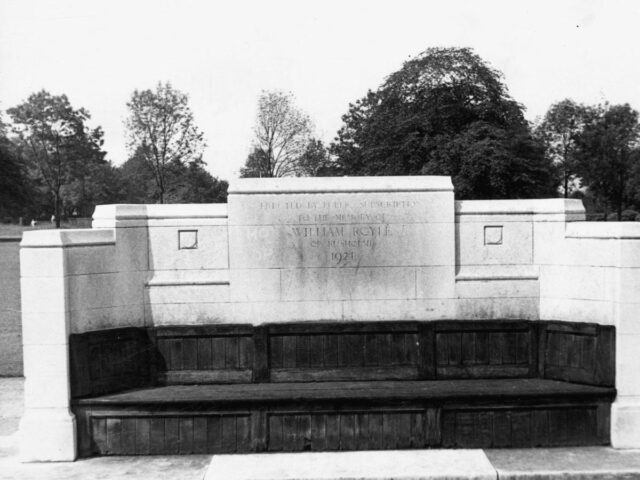
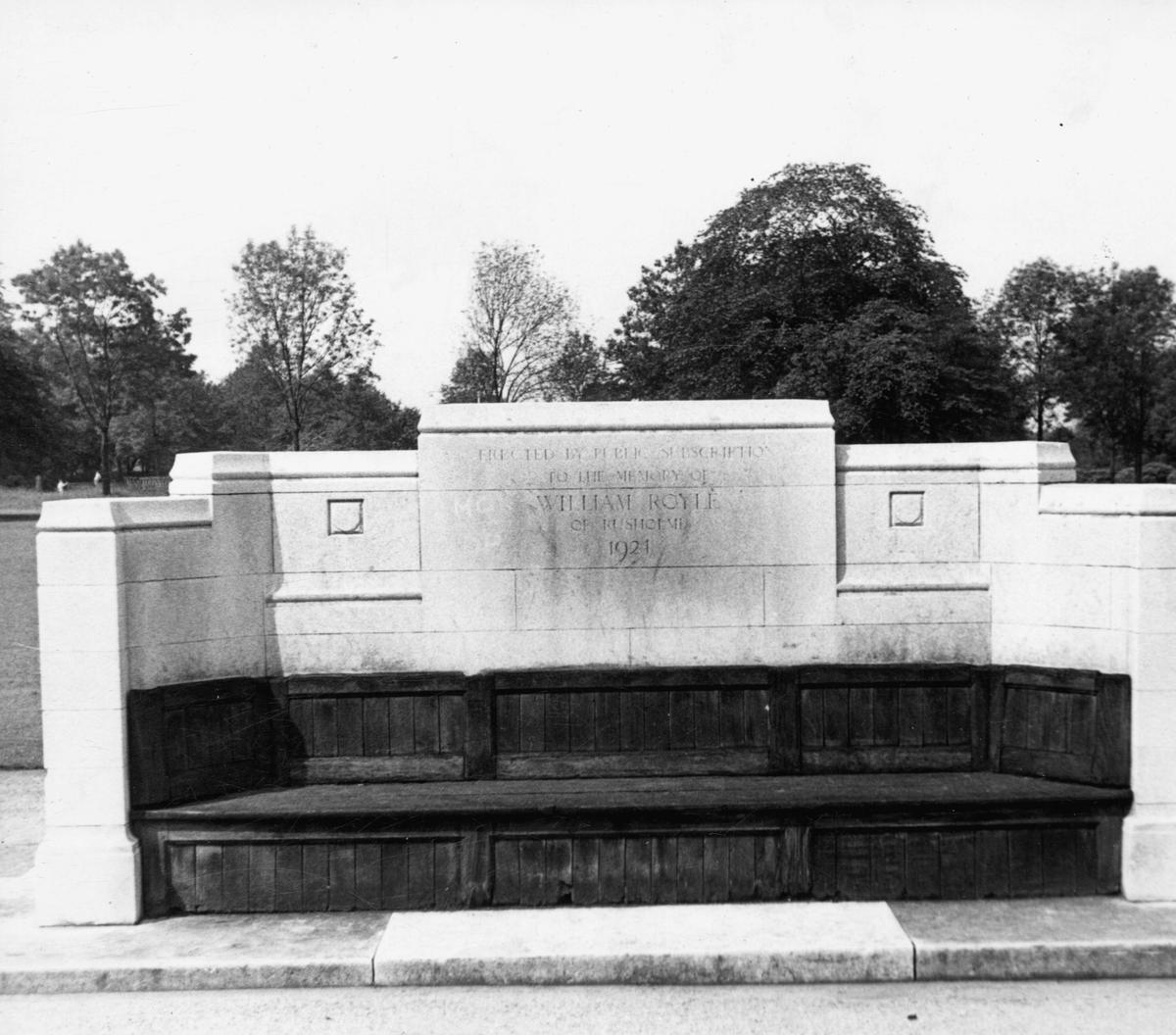
In the 1890s, people in Rusholme had worries that still feel familiar today. New buildings were replacing the countryside around their homes, much-loved trees were being cut down, local streams were polluted and children had fewer places to play outdoors. When Platt Estate was put up for sale, it looked as though another green space would disappear. William Royle led a campaign to save it, and local people later paid for a modest memorial bench in his honour.
Artefact
William Royle and his Platt Fields protest
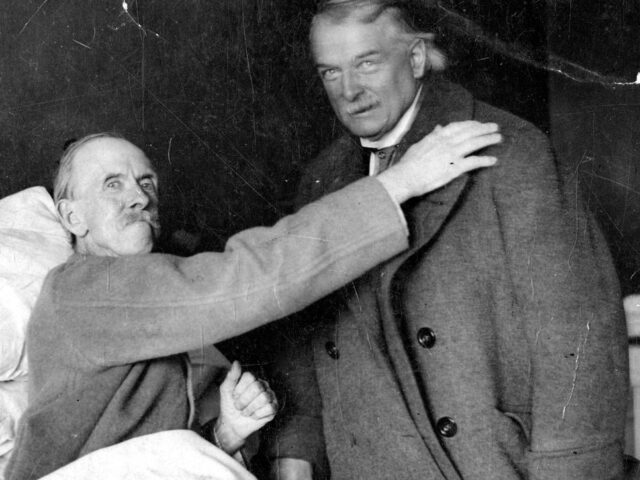
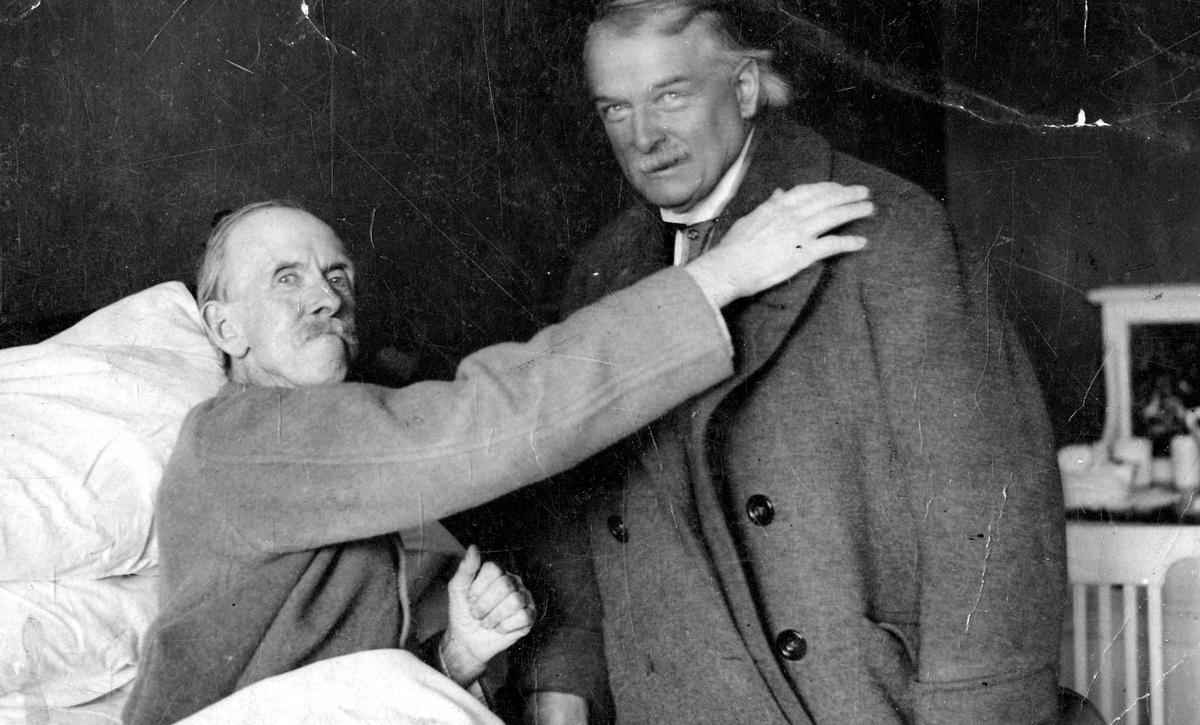
The Worsleys were one of Manchester’s oldest aristocratic families, but by June 1907 they needed money and put Platt Estate up for auction in separate lots. The plan was to pull down Platt Hall and use its bricks to build houses. Rusholme had already changed from a quiet village surrounded by fields and farms into a smoky industrial suburb, hemmed in by railways and poor housing. For many residents, Platt Estate was the last piece of countryside left in the area.
Green space was also a serious public health issue. Homes were heated by open coal fires, and many people, including Royle, had lung disease linked to air pollution. Rusholme’s filthy Gore Brook became famous for its terrible smell. Parks were seen as natural “breathing space”: places to exercise, meet other people and spend time away from the pub. Platt Hall’s gardens were privately owned, but the public had been allowed to walk there for generations, so losing access would have been a major change.
Developers were already buying the first lots when Royle began building support for a public park. He printed hundreds of flyers with summer photographs of the Fields and handed them out across Rusholme. Newspapers published dozens of his letters. He led well-publicised groups to Manchester Town Hall to lobby the Lord Mayor, while more residents wrote to the press in support. Within a few weeks, Manchester Council had received the message and agreed to act.
Manchester Corporation bought the estate for just under £59,000 in 1907. A global financial crisis was causing high unemployment, so creating the park also provided much-needed work. The boating lake was added to the plans partly for this reason. Around 700 unemployed men arrived to dig it by hand with shovels. Royle described men of different ages and classes trying to earn a living, although he suspected some had never handled a spade because their hands were soon covered in blisters. Platt Fields Park opened in May 1910, and thousands came to enjoy it.
Royle continued working on community and charitable projects until poor health forced him to stop. His lifelong lung condition improved only when he escaped smoky Manchester, especially on trips to Wales. He died aged 68, surrounded by family and friends. His memorial bench was designed by John Henry Price, the architect also known for Victoria Baths, and unveiled by Manchester’s Lord Mayor on 17 December 1924.
The “save Platt” campaign protected a green space that is now central to life in south Manchester, but it also stopped homes being built. The campaign was led by property owners, while the people who needed new housing were less powerful. Royle had grown up in poverty after being born in Rusholme in 1854, yet by 1907 he had become part of Manchester’s political elite. He had helped the Liberal Party win the city’s 1906 elections and was an experienced writer, speaker and council front-bencher. He was known for avoiding conflict, so taking on another important human need suggests how strongly he believed the park was the right choice.
– William RoyleHow can I prevent The Fields from becoming a ‘keep off the grass’ kind of park?
– William Royle“What does it matter who gets the credit, as long as the thing is done properly?
– Dora RoyleHe liked to imagine the people playing and resting here for generations into the
future
Read more about William Royle on the excellent Rusholme Archive, or
discover the history of Platt Hall here. If you’re researching Platt Fields, you’ll
probably want to visit Manchester’s central archive and explore their collection of Royle’s documents.
Which other Manchester places would’ve been very different without a passionate
local campaign? Who else has a humble memorial in Manchester? Keep exploring
This Is Us to find out, or get in touch to contribute more stories!
Related
Artefact
•Wythenshawe
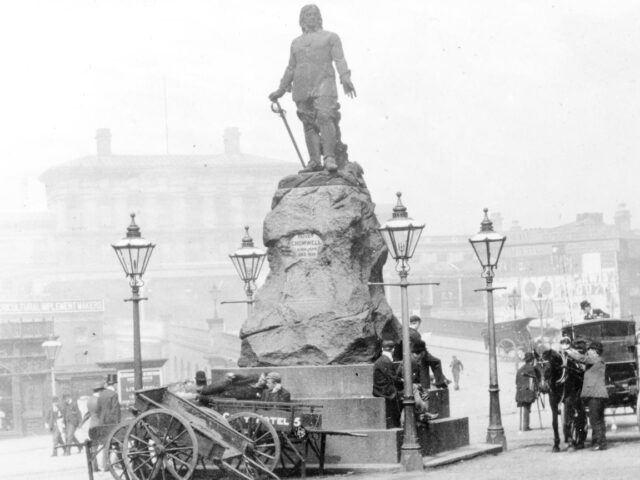
Oliver Cromwell statue
Discover why Manchester chose to honour Oliver Cromwell, a controversial figure remembered for overthrowing the monarchy, invading Ireland and imposing strict Puritan rule.
Read more
Artefact