The statue of Oliver Cromwell in Wythenshawe Park looks like a traditional Victorian monument, but it has caused controversy since it was first erected in Manchester city centre in 1875. Why did the city honour a man remembered for signing the King of England’s death sentence, invading Ireland and imposing a Puritan government on the public?
Artefact
Oliver Cromwell statue
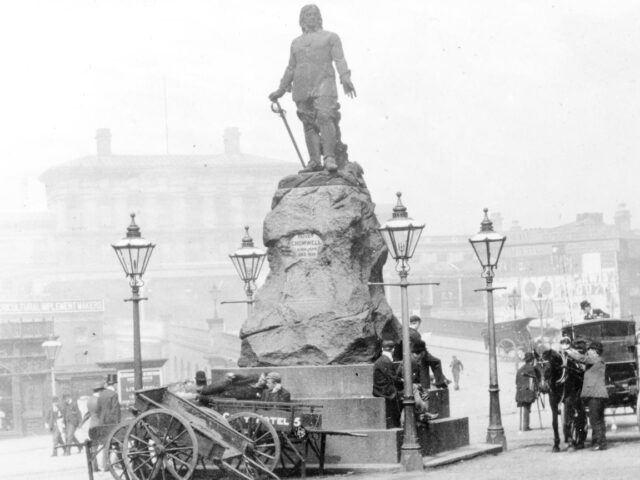
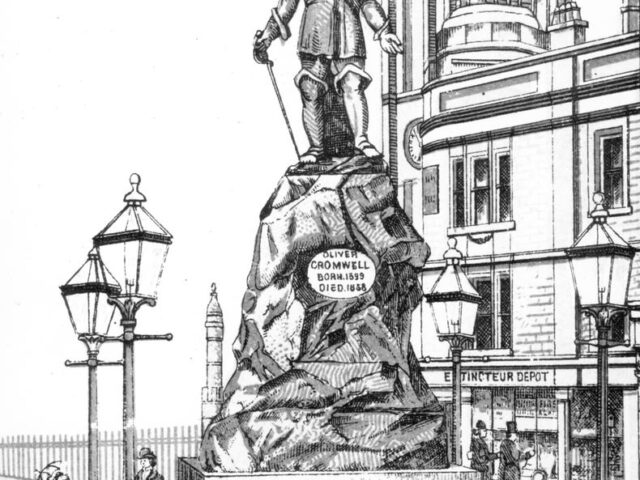
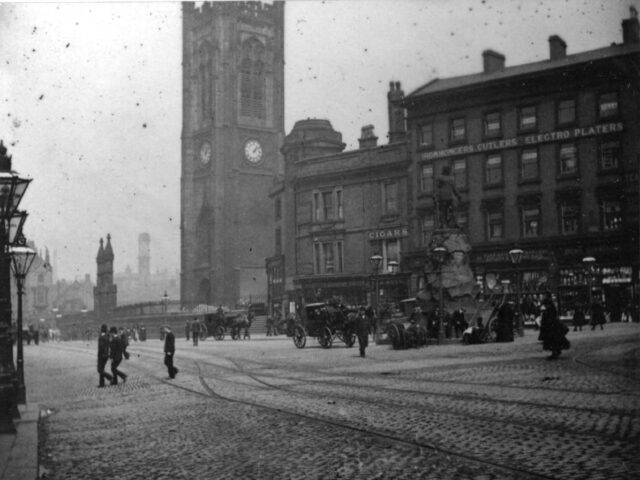
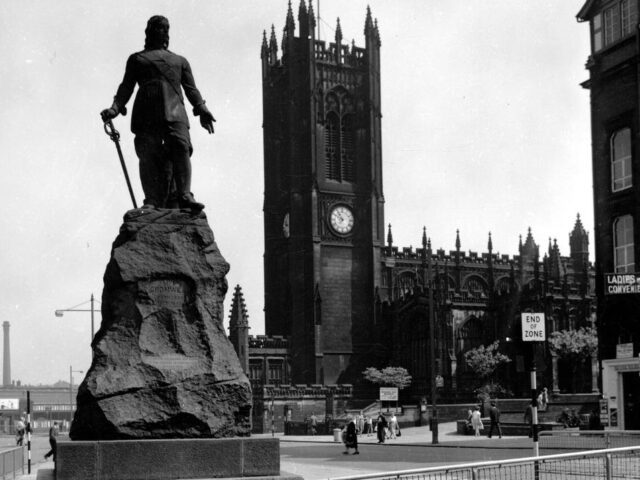
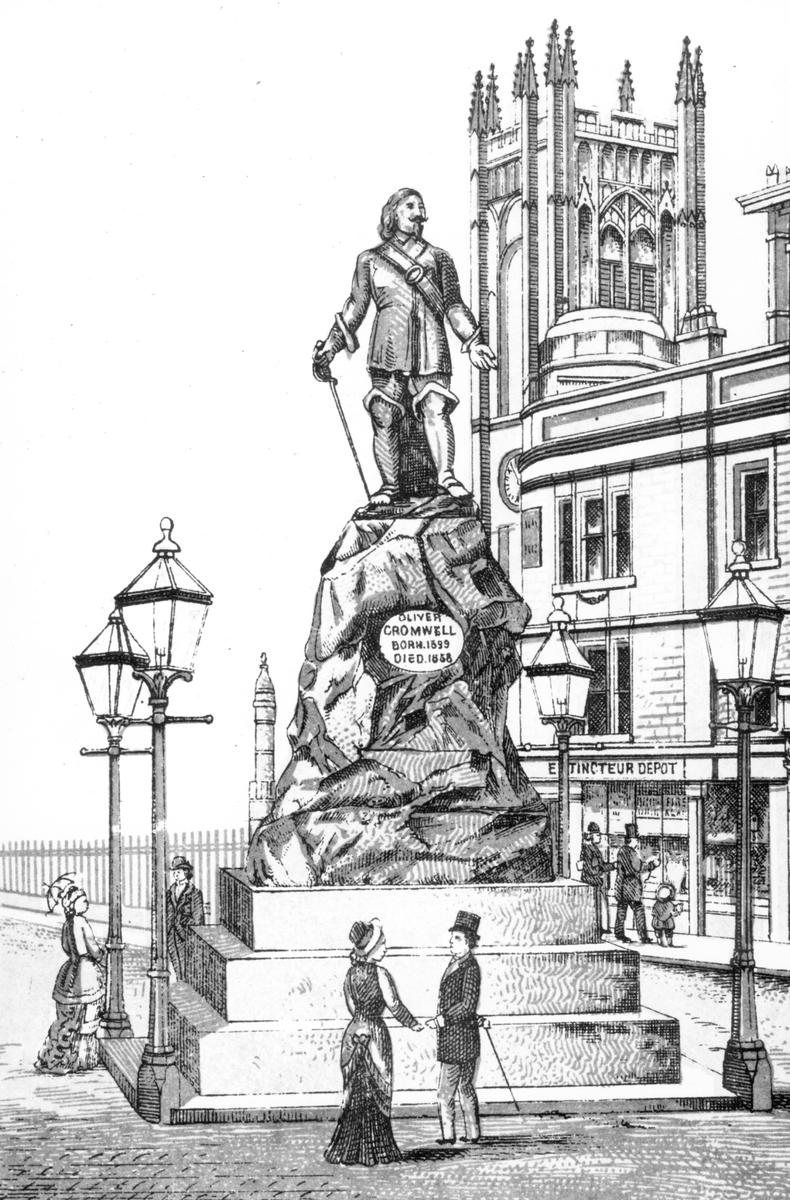
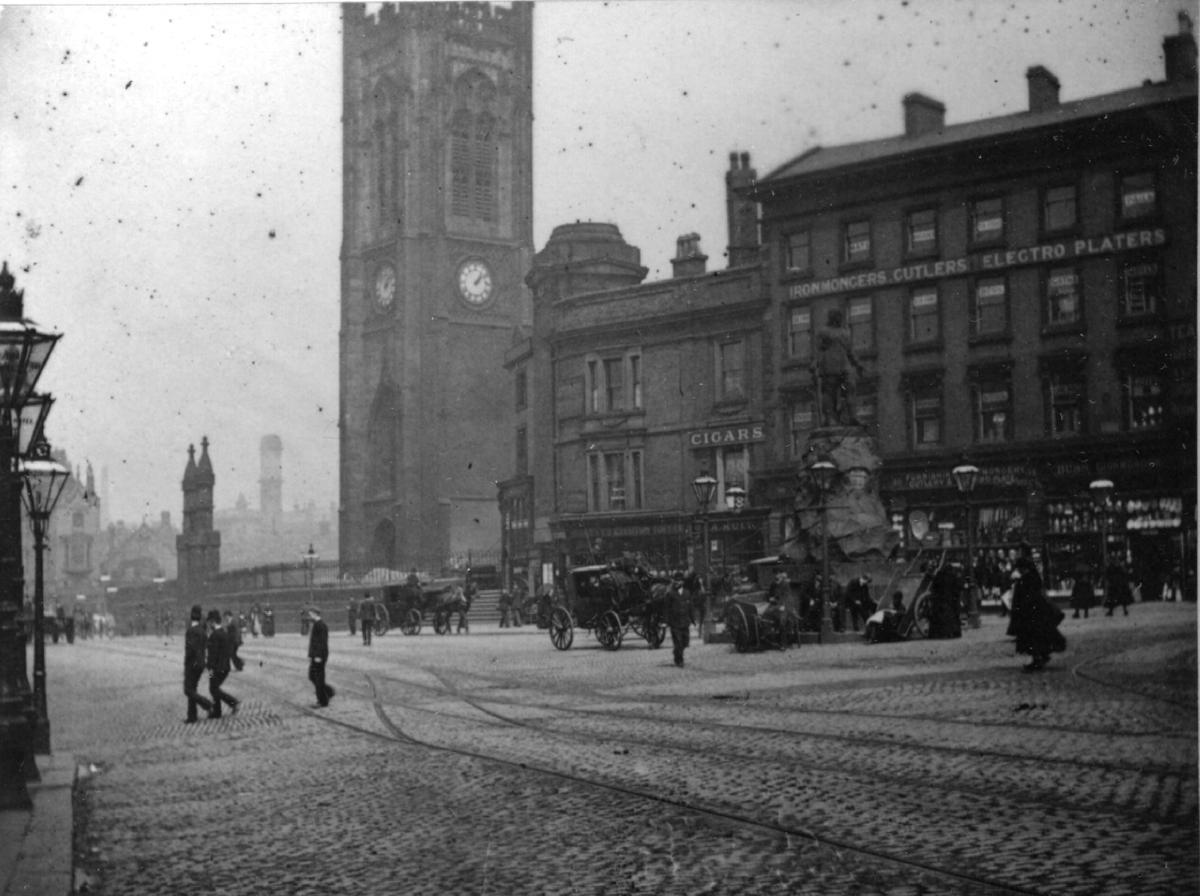
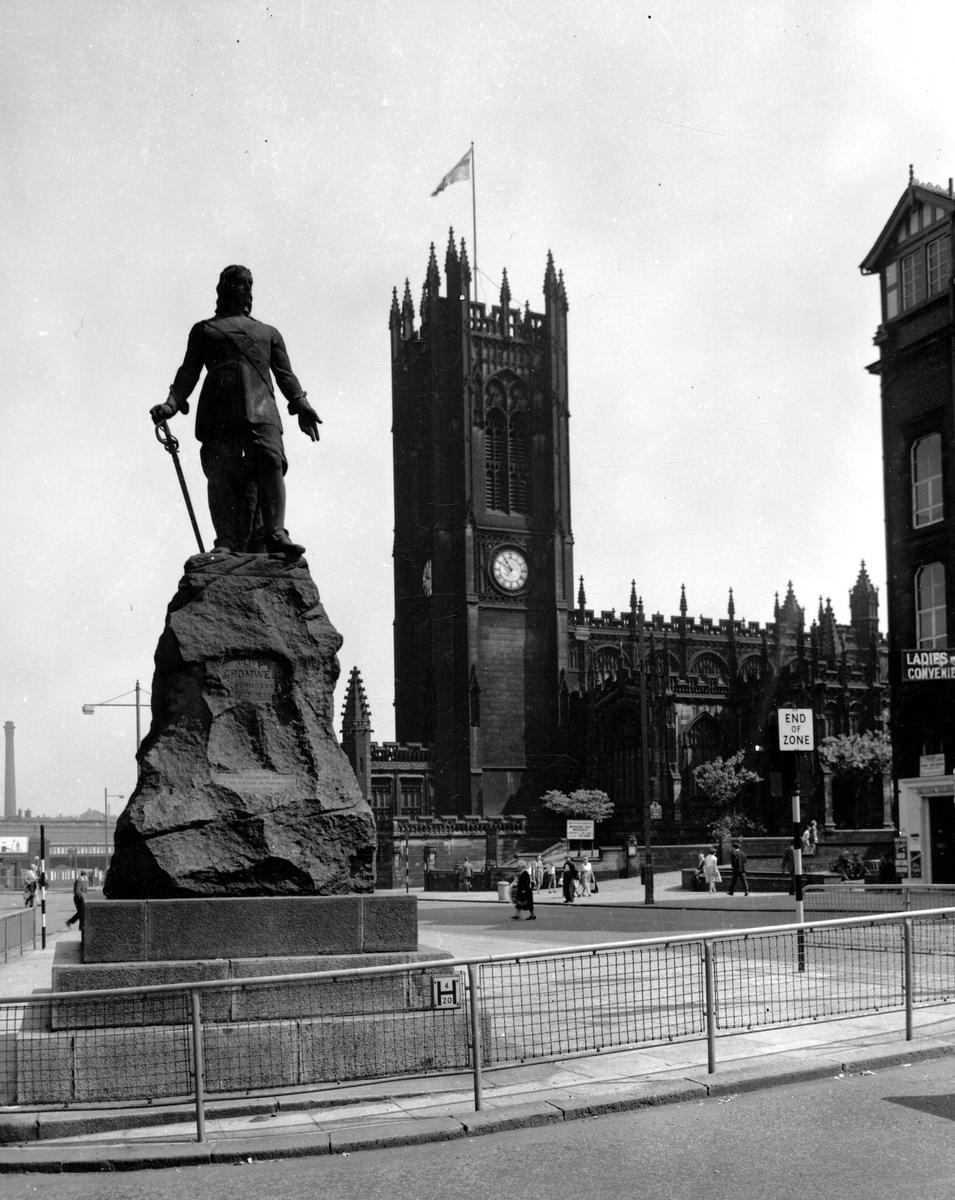
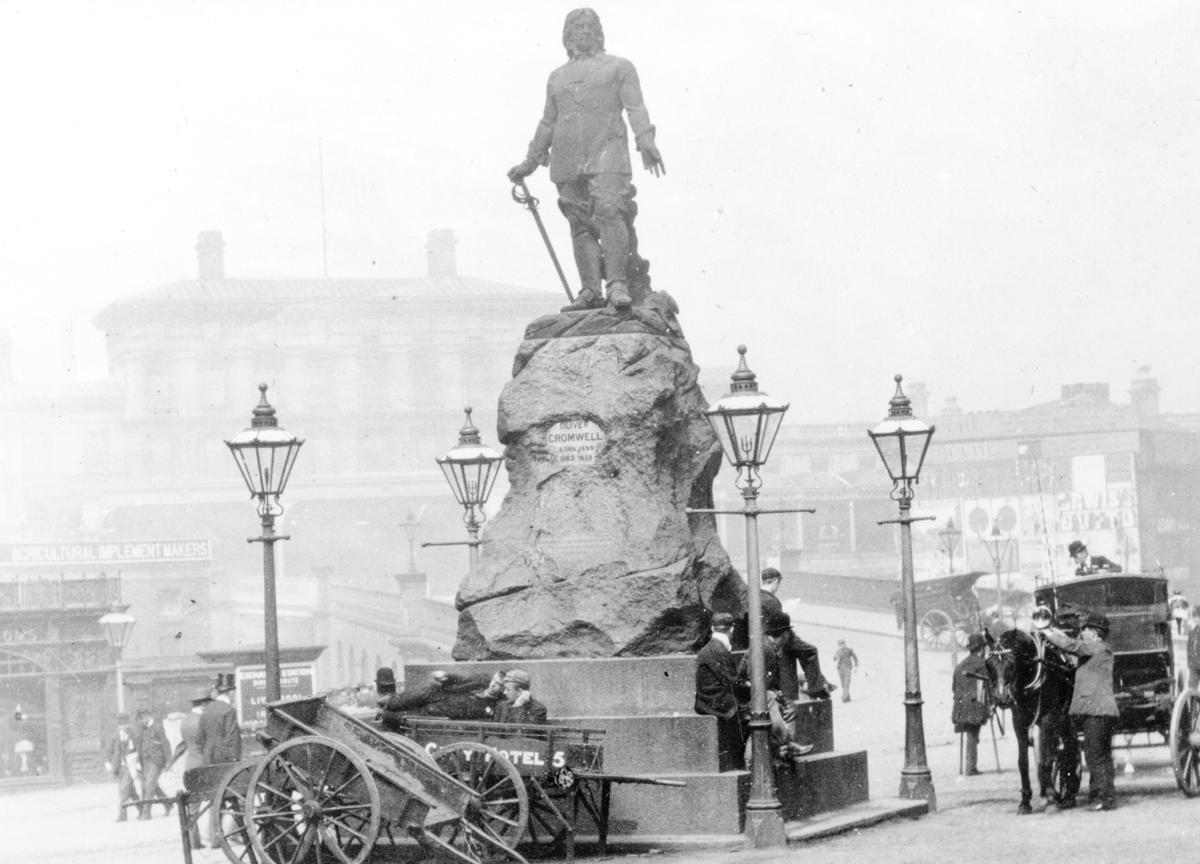
In spring 2020, protesters sprayed messages on the statue about Cromwell’s invasion of Ireland in 1649. This happened during the worldwide Black Lives Matter movement, two weeks after a statue of slave trader Edward Colston was pulled into Bristol Harbour. The Manchester graffiti drew attention to an act of colonisation that included the massacre of civilians. Reactions were divided, and many people began asking why Manchester had created the statue in the first place.
Cromwell was born in Cambridgeshire in April 1599 and became a Member of Parliament during a period of religious and political crisis. His ideas were deeply contradictory. He defended some rights for ordinary people, opposed poverty and believed monarchs should obey the law rather than hold complete power. At the same time, he believed the Catholic Church should be “crushed”. England was expanding overseas, including through plantations in Ireland that removed local people from their land.
In 1641, reports reached England of an Irish uprising against settlers. Stories described cannibalism, rape, murder and torture of English civilians. Modern historians have found no evidence for these accounts, but historian Antonia Fraser argues that their effect mattered more than their accuracy. News was as open to rumour and manipulation then as it is now. Eight years later, after civil war and political revolution, Cromwell arrived in Dublin with a Protestant army to take control from Irish Catholics. This violent history explains the message painted on his Manchester statue in 2020.
The statue was paid for by Elizabeth Salisbury Grime, a Salford campaigner who wanted women to have a place in political life. Women could not hold office, but Elizabeth gained influence partly through marriages to two Manchester mayors. She was also an energetic fundraiser for the city’s poorest residents. Her obituary said that, if she had been a man, she would have been “knighted for her public services to Manchester”.
When she commissioned the statue, Elizabeth was married to Abel Heywood, a weaver’s son who became a radical political leader. Historian Joanna Williams lists his causes as an “uncensored and accessible press”, voting rights for everyone, “free and compulsory education”, and an end to poverty. These ideas remain important today and were revolutionary in the 1860s. The Heywoods may have seen Cromwell as an honest defender of English liberties. Elizabeth also descended from Sir William Brereton, one of Cromwell’s generals, so the figure carried personal as well as political meaning.
The plan emerged during the American Civil War. The loss of American cotton caused unemployment and hardship in Manchester, but the city’s workers supported the fight against slavery and wrote to Abraham Lincoln. His 1863 reply addressed “the workingmen of Manchester” while naming only Mayor Abel Heywood. Cromwell’s civil war had very different causes, but Victorian Manchester was again thinking about political conflict, liberty and the responsibilities of ordinary citizens.
The official reason for the statue was to honour Elizabeth’s first husband, former mayor Thomas Goadsby, who died in 1866. Matthew Noble, who also made Manchester’s Prince Albert and Duke of Wellington and Salford’s Queen Victoria, designed it. The solid bronze figure cost about £1,600, weighs more than 17 tonnes and stands on a granite base. The complete monument is just over seven metres tall.
The statue divided Manchester from the beginning. Newspapers said Queen Victoria admired Noble’s design, but local Conservatives refused to attend its unveiling on Deansgate in 1875. The satirical Jackdaw newspaper joked that the ceremony might include a procession carrying King Charles I’s head on a plate. When Victoria later declined an invitation to open Manchester Town Hall, some people blamed the monument because Cromwell had signed Charles I’s death sentence and replaced him as head of state. That was probably speculation, but it shows how strongly the statue’s politics were understood. Its later move to Wythenshawe Park did not remove those arguments.
– President Abraham Lincoln, responding to Manchester’s vote to support his fight against slavery during the American civil war” I…regard your [decision] as an instance of sublime Christian heroism…a universal triumph of justice, humanity and freedom.”
– Elizabeth’s obituary in The Manchester Guardian, 12th January 1887“Mrs Heywood was a lady of much ability, and took the warmest interest in the affairs and prosperity of her native town”
Learn more about Abel Heywood and his radical politics by reading Manchester’s Radical Mayor by Joanna M. Williams, published by The History Press (Stroud, 2017). For a definitive history of Oliver Cromwell, try Cromwell: Our Chief of Men by Antonia Fraser (our 1974 edition was published in London by Book Club Associates). See images of the anti-Cromwell graffiti here or read Manchester Evening News coverage of protests against the city’s statues.
Which of Manchester’s statues tell radical stories despite being deceptively traditional? Keep exploring This Is Us to find out, or get in touch with your ideas!
Related
Artefact
•Ancoats
Bradford Pit Memorial
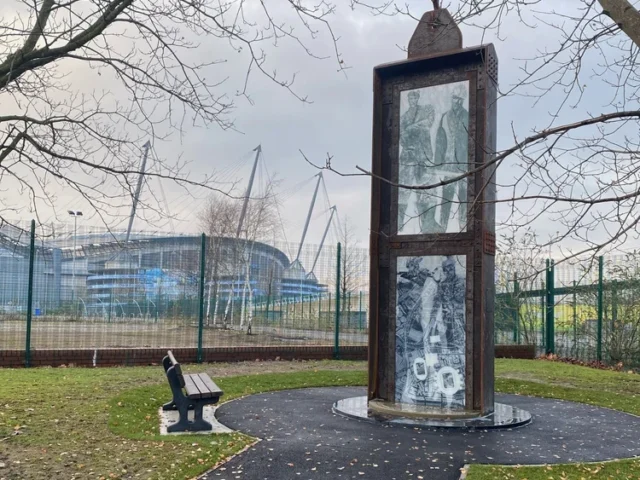
Learn about the Bradford Pit Memorial at the Etihad Stadium, honouring the miners and working-class history beneath Manchester’s famous football ground.
Read more
Artefact
Artefact
•Piccadilly
Victory Over Blindness
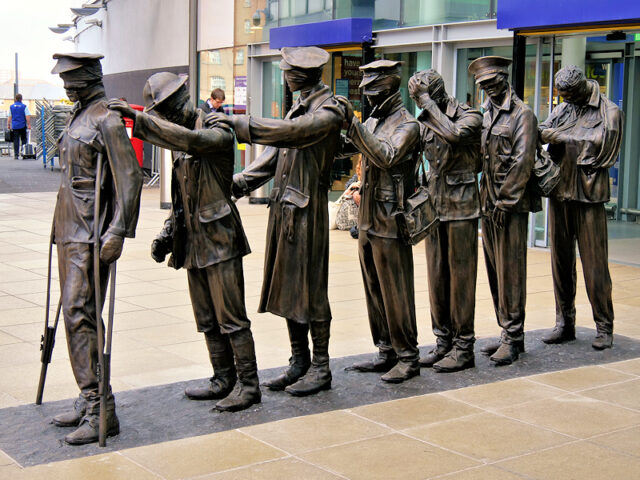
Discover Victory Over Blindness, the sculpture outside Manchester Piccadilly Station, honouring soldiers blinded during the First World War.
Read more
Artefact
Artefact
•Rusholme
William Royle and his Platt Fields protest
Read the story of William Royle, whose campaign saved Platt Fields from development and helped preserve the park for future generations.
Read more
Artefact