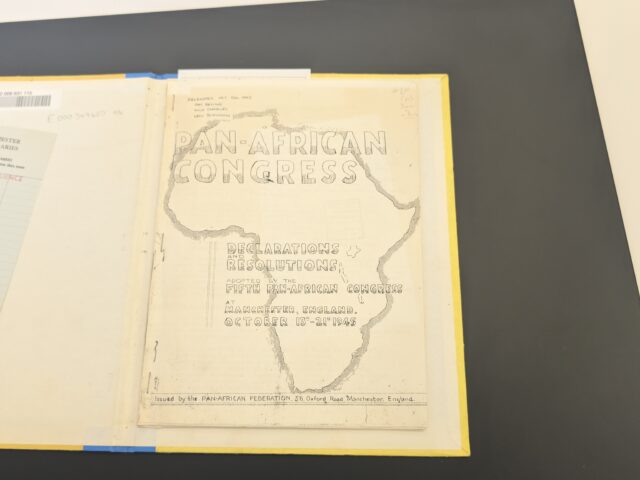
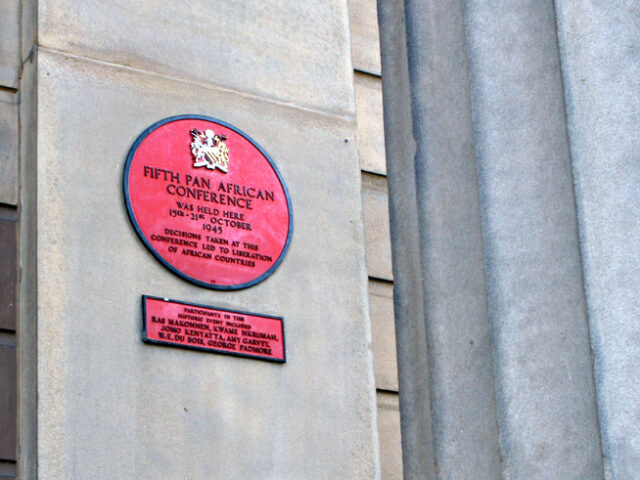
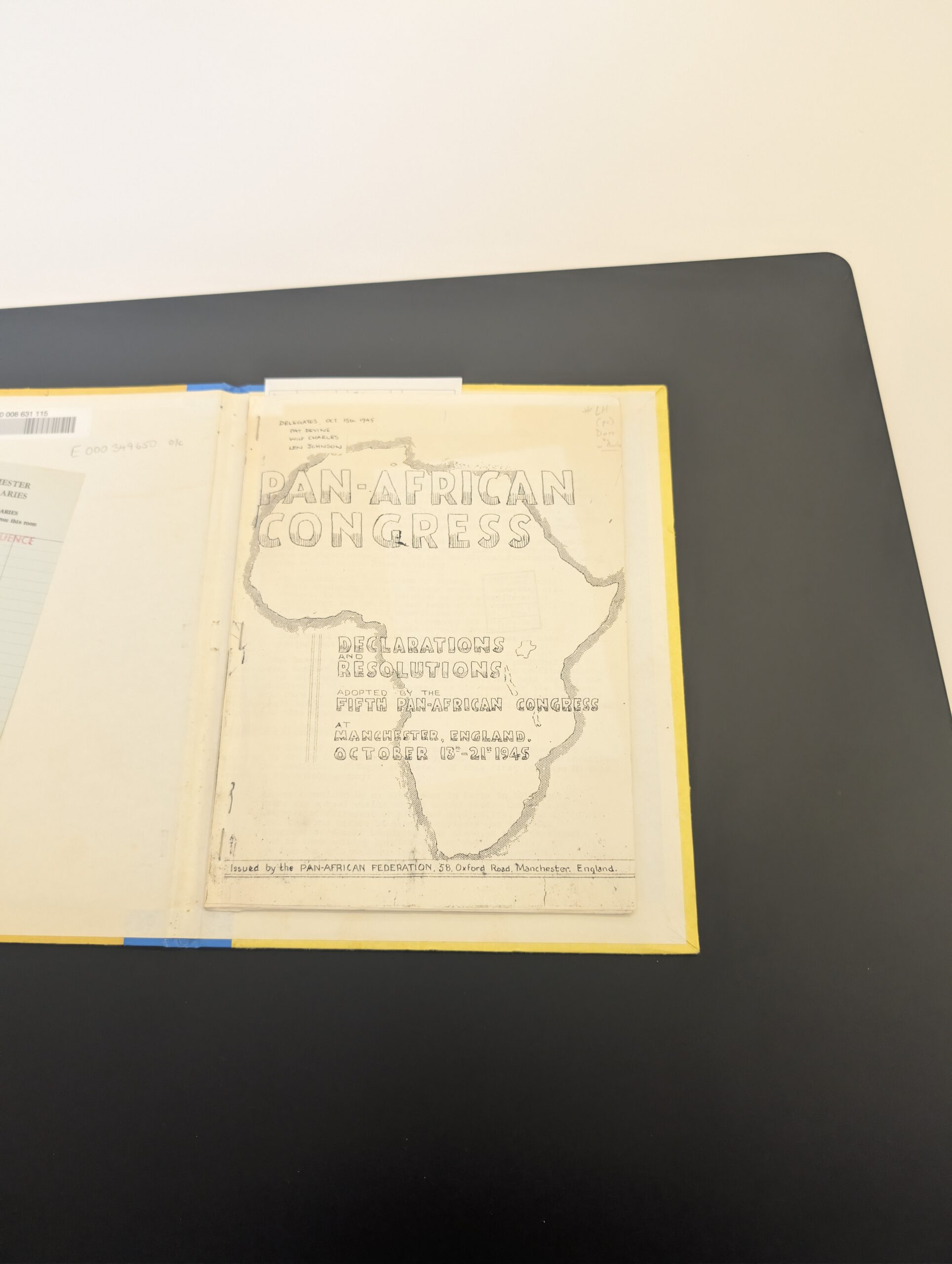
The project was inspired by the red plaque marking the site of the Fifth Pan-African Congress, held in Manchester in 1945. The Congress brought together activists, writers, workers and political leaders from Africa, the Caribbean, Britain and the wider diaspora. It was a major moment in the global struggle against racism, colonialism and injustice.
By exploring this history, students were invited to think about what welcome, inclusion and social justice mean in Manchester today. They considered how a city can be proud of its diversity, while still needing to ask difficult questions about who feels seen, heard and valued.
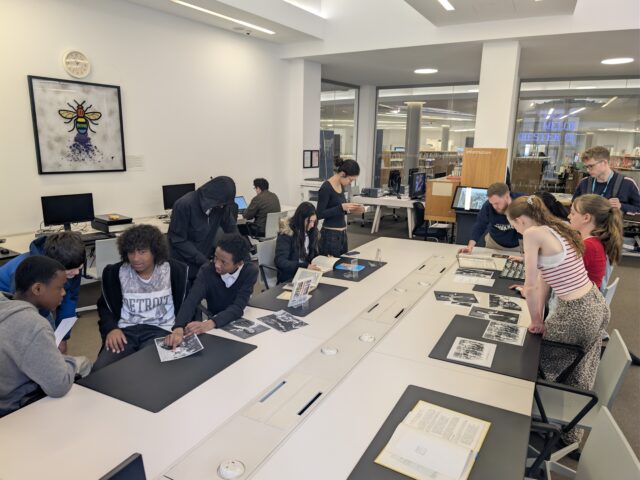
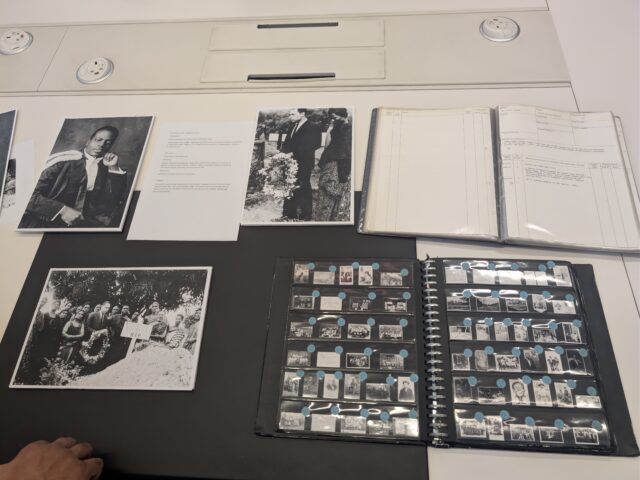
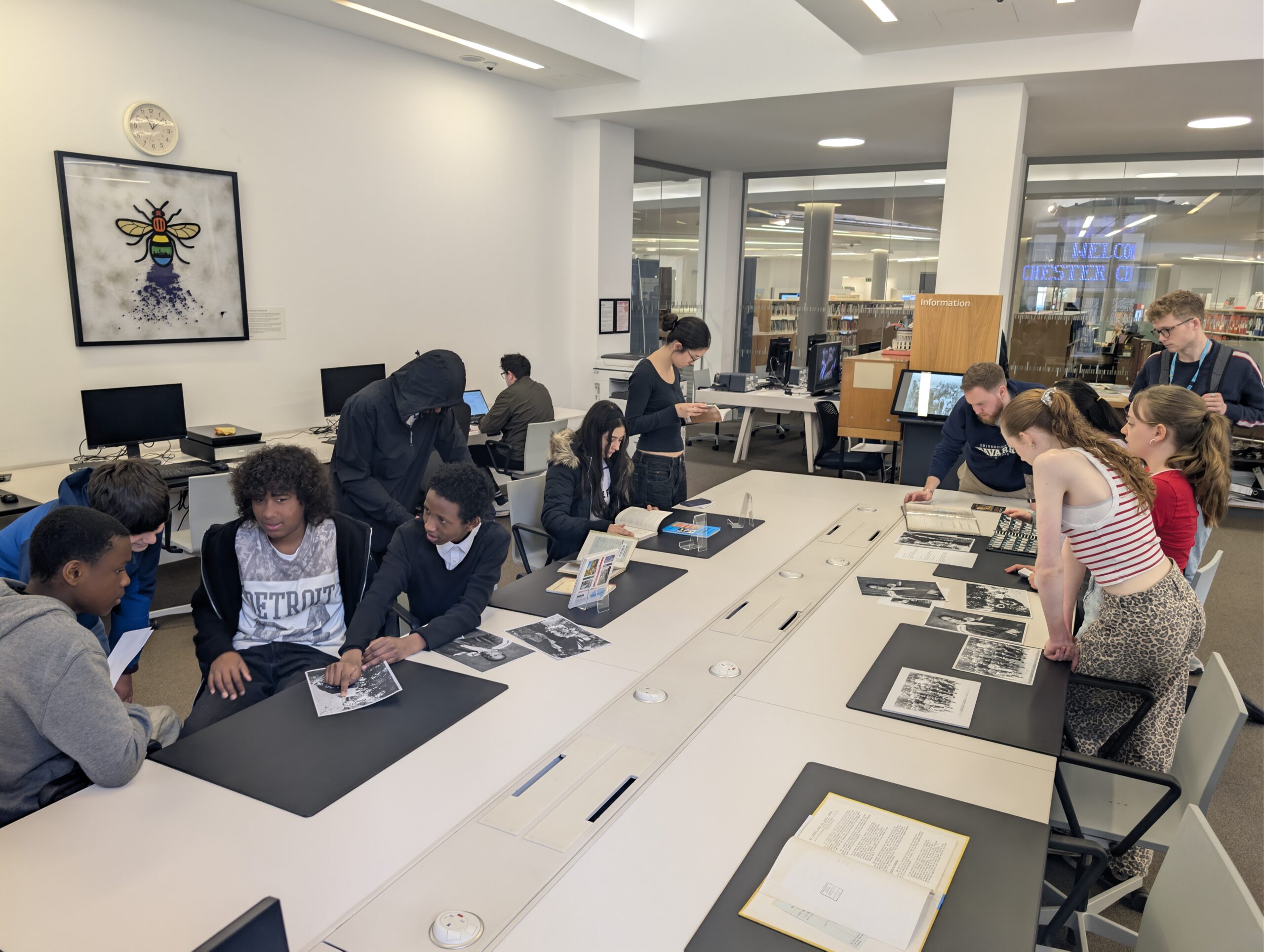
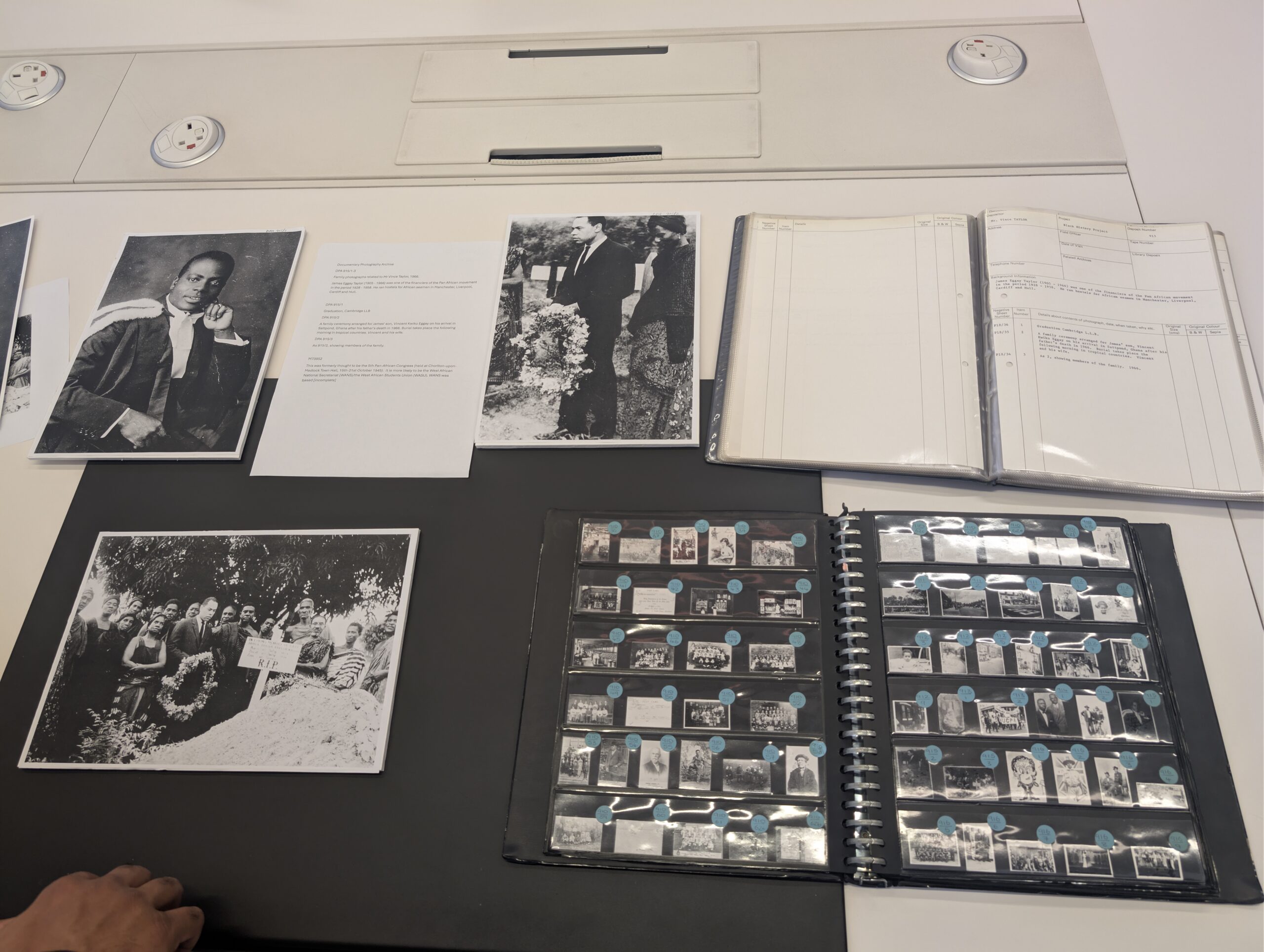
The first workshop introduced students to the history of the Fifth Pan-African Congress and the stories connected to the plaque. Through interactive activities, group discussion and a visit to Manchester Central Library’s Archives+, students explored how histories are preserved and whose stories are remembered.
These conversations encouraged students to think about Manchester’s identity. Is it a city that welcomes everyone equally? What makes someone feel like they belong? Whose stories are celebrated in public spaces, and whose stories are still missing?
Building on these discussions, students returned for a second creative workshop at Z-arts. Working with poet Reece Williams, they turned their reflections into poetry and spoken word. Through writing exercises and group activities, students explored their own experiences of welcome, difference, pride and community.
As their ideas developed, students began creating individual poems before bringing their voices together into a collective spoken word piece. The final work captured a range of perspectives, showing both the pride and complexity of thinking about Manchester as a welcoming city.
The project ended with a professional recording session, giving students the opportunity to perform and record their spoken word piece. Alongside this, they designed their own commemorative plaques, choosing the people, places and stories they felt deserved greater recognition.
Throughout the project, the students showed creativity, curiosity and care. They engaged with challenging histories and used them to ask questions about the present. Their work reminds us that young people have important things to say about the places they live, the histories they inherit and the futures they want to shape.
The recorded spoken word poem will be presented on the This Is Us website, sharing the students’ voices as part of the wider project.