Visitors to the Etihad Stadium campus may not realise that it stands above a coal mine that powered Manchester for centuries. The Bradford Pit Memorial is the clearest sign of that buried history. It grew from a community project started by Lauren Murphy, the granddaughter of a miner, and was designed with Broadbent Studio and Manchester School of Art students. The monument brings working-class history back into a landscape now known around the world for football.
Artefact
Bradford Pit Memorial
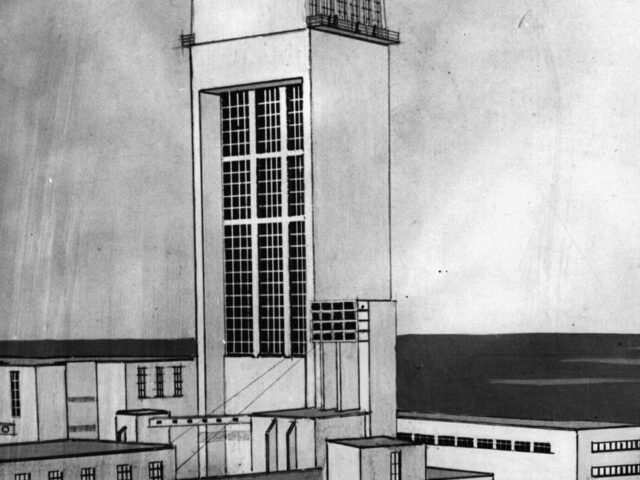
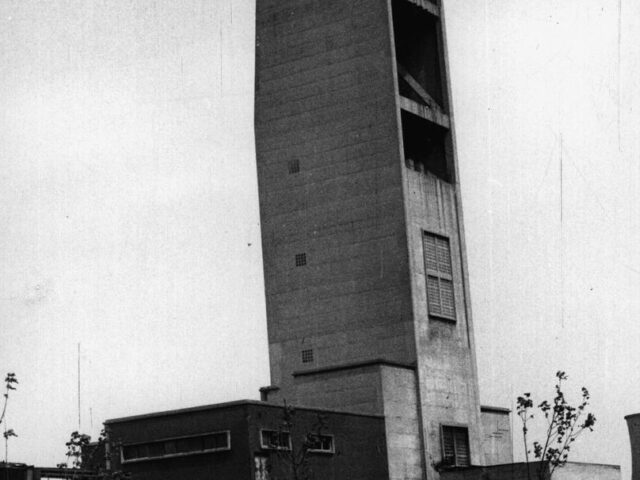
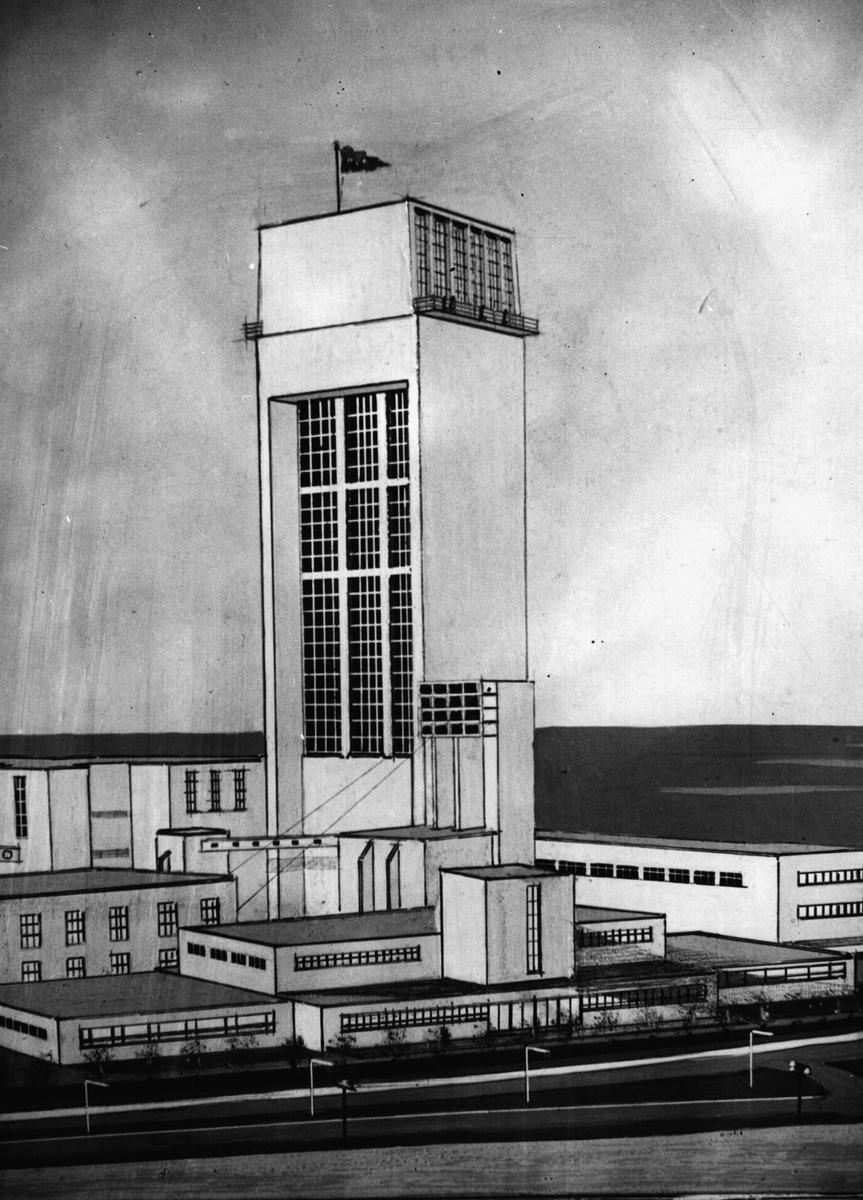
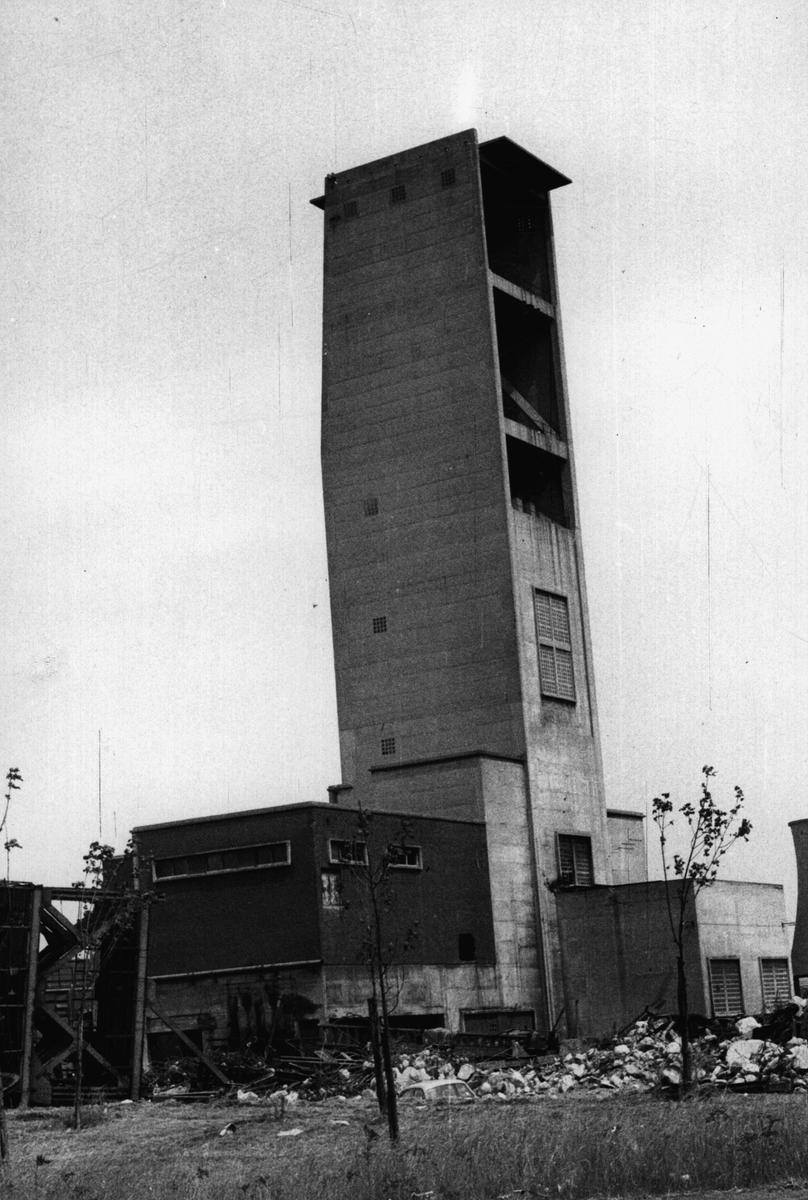
Lauren grew up listening to her granddad Alan’s stories about Bradford Colliery. A mining accident had left him paralysed many years before she began her art degree, but his memories made the pit vivid. Bradford had one of Britain’s deepest shafts. Miners travelled down in an unusual double-decker cage at just over 20 miles an hour, then walked another mile and a half to the coalface. The coal powered Manchester’s homes and industries. The work was dangerous and poorly paid, but Alan valued the close friendships underground.
Conditions were extremely hot and coal dust filled the air. Miners faced explosions, collapsing tunnels and long-term lung disease. In an interview for the Bradford Pit Project, coalface electrician Mick Doherty remembered AncoatsHospital regularly treating his colleagues. Yet he also called the pit “the centre of the Bradford community for over 350 years”. Miners developed strong teamwork and many found the job friendly and sociable. Their wives and children joined activities around the mine, cared for neighbours and ran errands for families affected by illness.
Bradford Colliery closed in 1968. Its community scattered, rows of red-brick houses were demolished and the shafts and tunnels were filled. By the late 1990s, the land was being remade as a major sports site and later became home to Manchester City Football Club. After years of redevelopment, almost nothing showed that the pit and its people had existed. Lauren was shocked to find very little about them in Manchester’s official archive.
Inspired by Alan and by Mick’s efforts to remember the mine, Lauren began collecting evidence. Manchester Council was open to a memorial but wanted proof of public support. She recorded former miners, gathered photographsand borrowed objects from their working lives. These included metal tallies used to record who was underground and a remarkable device for reviving canaries that had fainted after breathing carbon monoxide.
The fact that many younger residents knew nothing about the mine strengthened the case. Lauren ran creative workshops where some schoolchildren saw coal for the first time and imagined life below the streets. The project showed how knowledge of place can connect generations and help people understand the experience of older neighbours. Bradford Pit had fuelled Manchester’s growth, while the community spirit formed around it continued after the mine closed.
Former miners wanted the memorial to bring their own colliery to life, rather than show a general miner who could have worked anywhere. They asked for a clear “signpost” to the hidden pit. Lauren worked with artist Lucy Gannon at Broadbent Studio, presenting ideas to the miners and changing them in response to feedback. Once the group approved the final design, blacksmith Chris Brammall produced its metalwork using traditional skills.
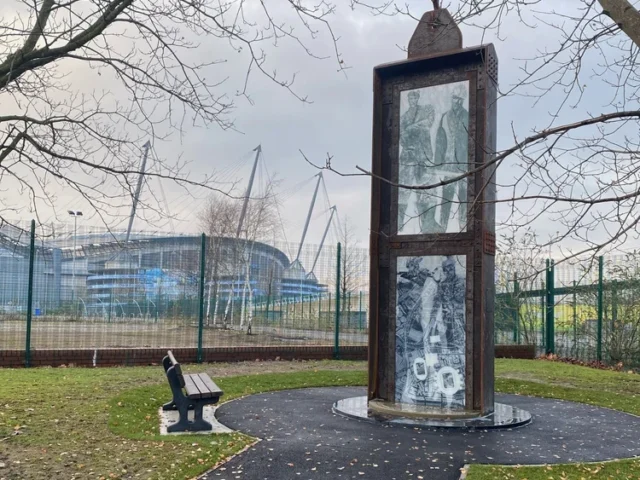
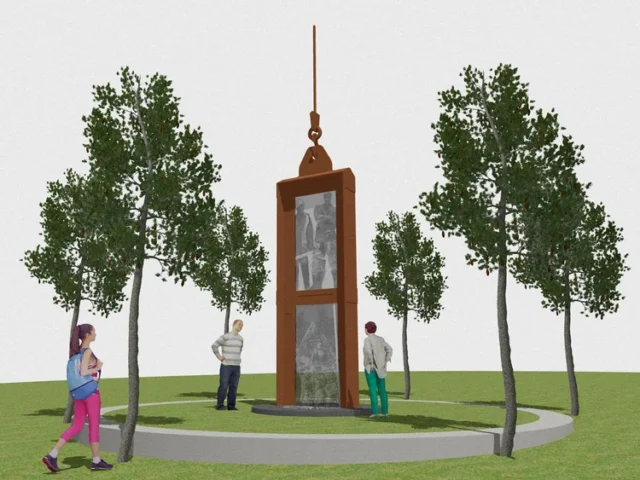
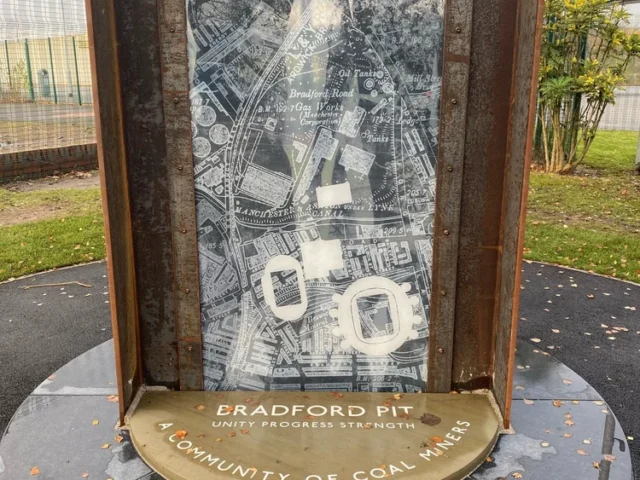
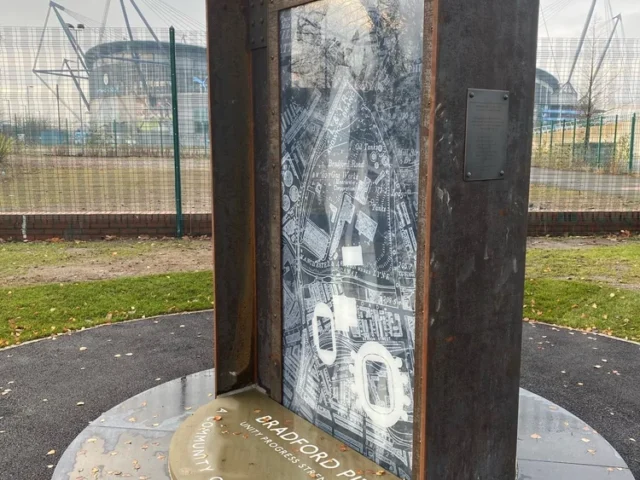
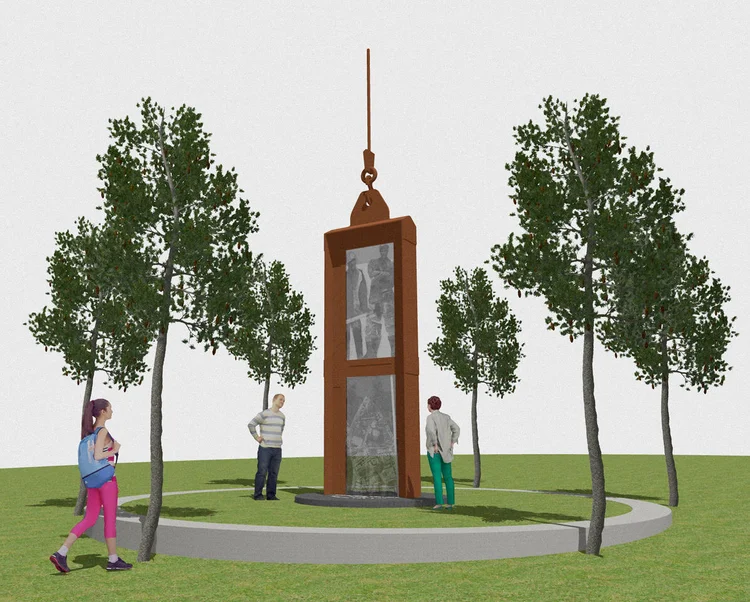
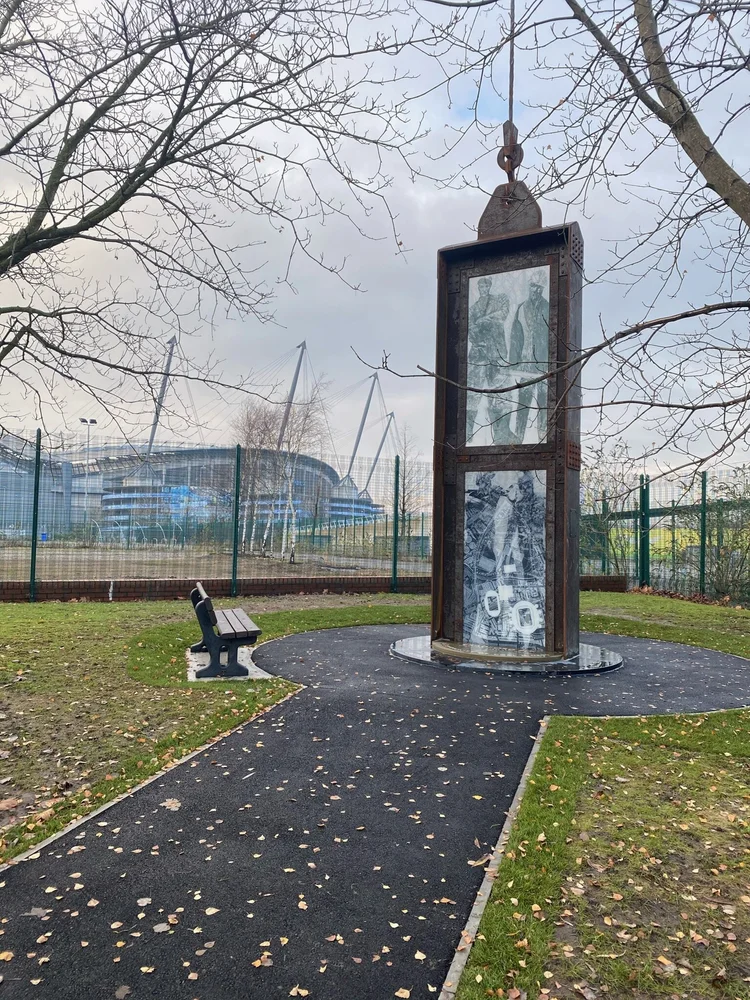
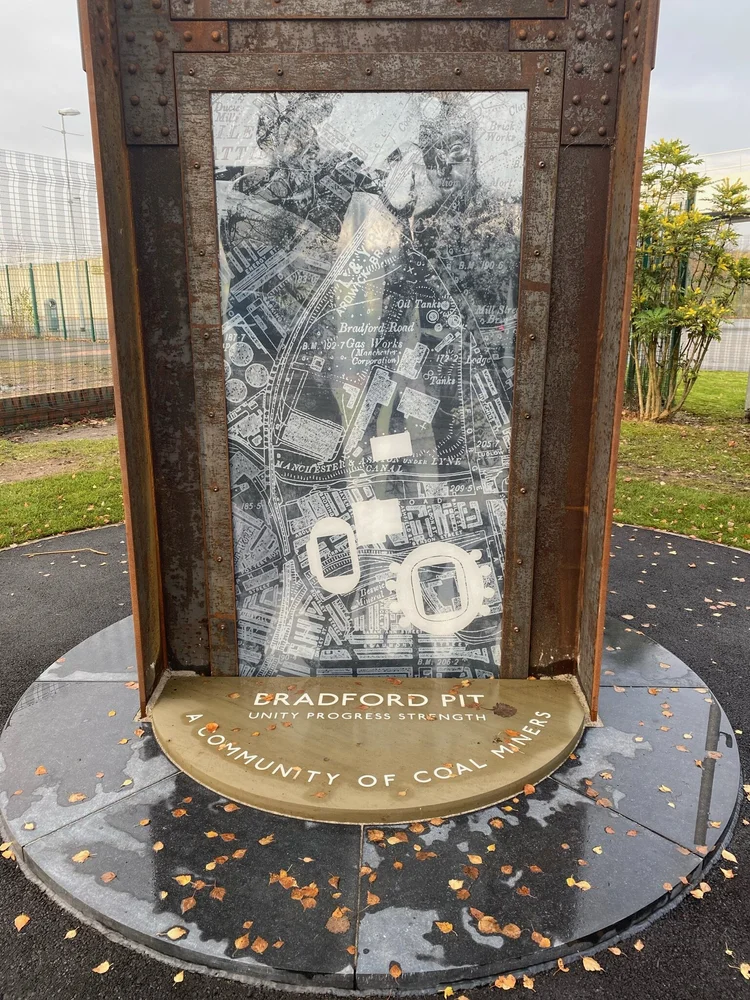
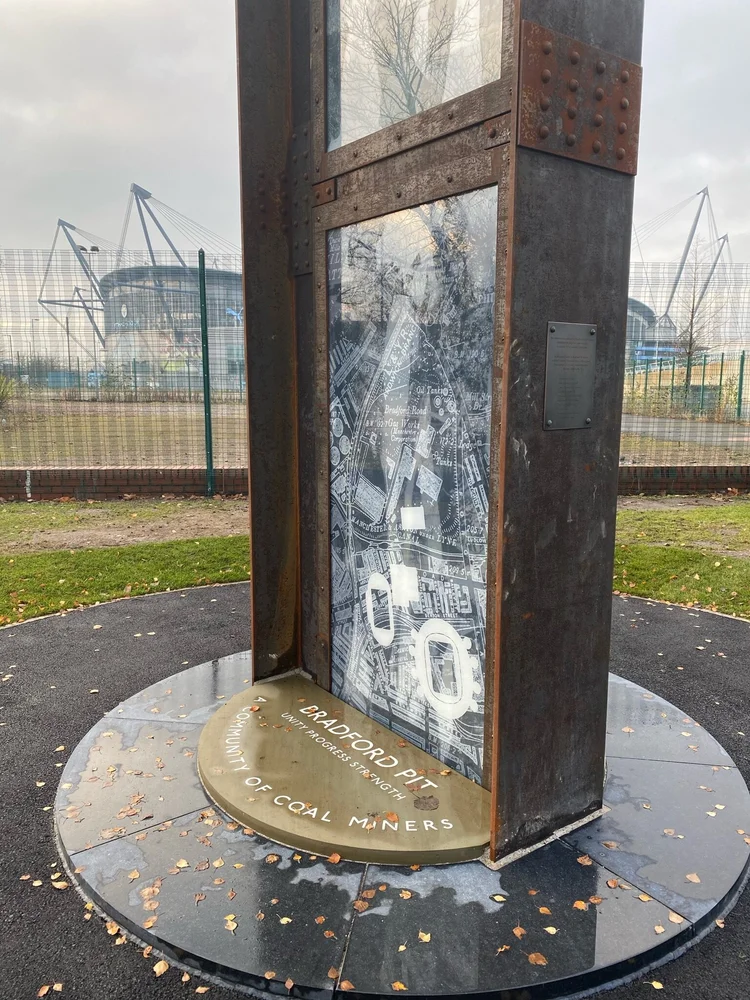
The completed monument shows miners descending in the double-decker cage that carried them towards the coalface. It stands eight metres high and combines glass and steel with more than 100 hand-forged rivets. The glass frames drawings of miners by illustration student Jacob Phillips. Nearby, graphics by Jonathan Hitchen show a map of the colliery. Placed close to the original pithead, the sculpture invites modern visitors to imagine the industrial world still lying beneath the stadium.
– Lauren Murphy, founder,Bradford Pit Project“Grandad would’ve been chuffed. It’s been an incredible and humbling experience to work with his old colleagues. They told me lovely tales of friendship, and it was clear there was no closure for them when the pit closed. They needed some kind of physical remembrance to connect to. I hope the memorial will encourage people to add more stories and images to the archive.”
– Mick Doherty, Bradford Pit coalface electrician“The miners always worked with a smile on their face. They knew it was hard work and dangerous work but they wanted to get the work done.”
– Lucy Gannon, co-designer of the Bradford Pit Memorial“The design allows the viewer to imagine being lowered into a subterranean world below the streets of Manchester and to recognise the history and legacy of this site.“
Enjoy the fantastic story of the Bradford Pit Project here. You can see footage of the canary-revival device at around 60 minutes in! Visit the Project’s Tumblr page for photos and updates. Learn more about the memorial’s collaborative design process on this page by Broadbent Studios. You can also watch archive footage of the clearance of Bradford and Beswick . The oral histories, photos and other ephemera created by the Bradford Pit Project are archived in Manchester Central Library. You can listen to extracts from the interviews on the archive’s blog here. There’s a slideshow of photos gathered by the project on this Manchester Evening News article, which also includes Mick Doherty’s descriptions of life in and around the pit. Finally, read Mick’s profile on Greater Mancunians, where he is pictured alongside the Memorial.
Do you have memories of Bradford and Beswick? Get in touch to tell us about them!
Related
Artefact
•Wythenshawe
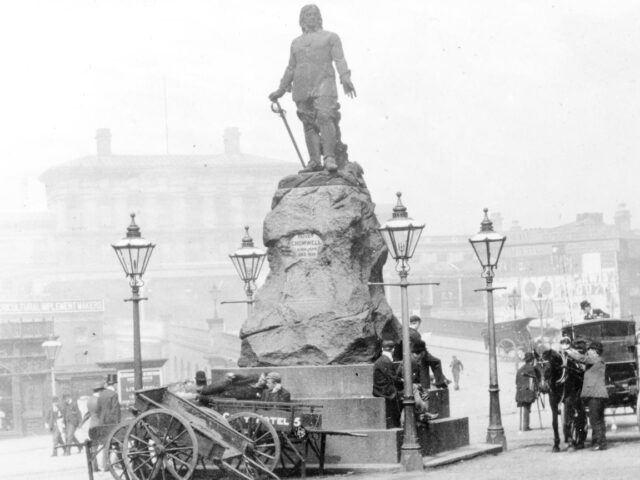
Oliver Cromwell statue
Discover why Manchester chose to honour Oliver Cromwell, a controversial figure remembered for overthrowing the monarchy, invading Ireland and imposing strict Puritan rule.
Read more
Artefact
Artefact
•Piccadilly
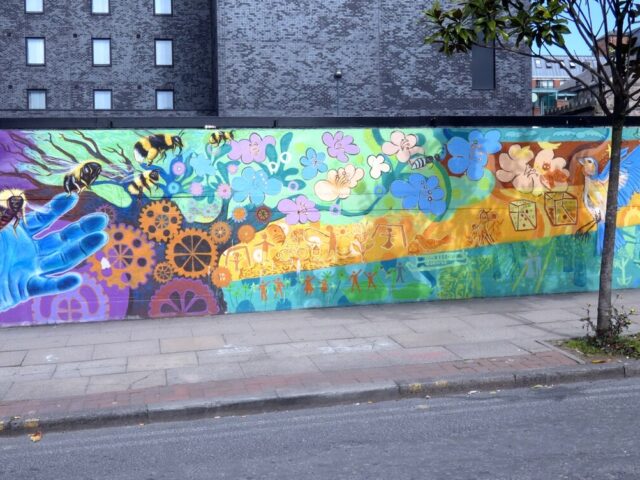
Ducie Street Doodle
Read about the Ducie Street mural created by Mancunians who experienced homelessness through a collaboration with Manchester charity Mustard Tree.
Read more
Artefact
Artefact
•Northern Quarter
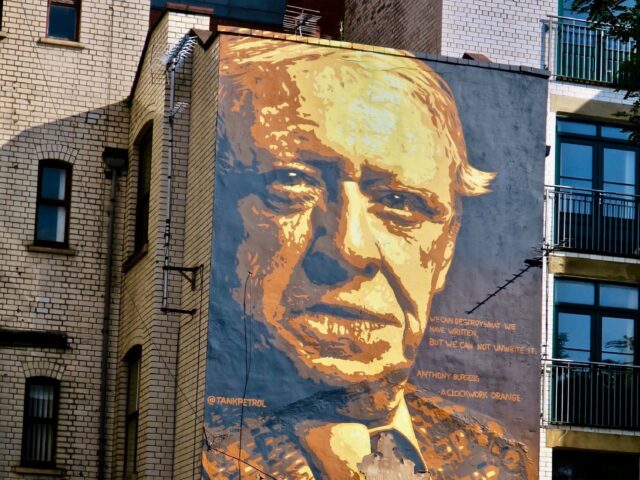
Anthony Burgess mural
Explore the Anthony Burgess mural near Manchester Craft and Design Centre, celebrating the Manchester-born writer behind A Clockwork Orange.
Read more
Artefact