The life, activism, and legacy of Kath Locke and the importance of the Kath Locke Centre in Moss Side is another key milestone in Manchester’s African-Caribbean community. Kath Locke was born in Manchester in 1928 to an English mother and Nigerian father. As a child in Blackpool, she experienced racism directly, including being denied entry to grammar school despite passing the 11-plus. These experiences helped shape her lifelong commitment to racial equality, education and community justice.
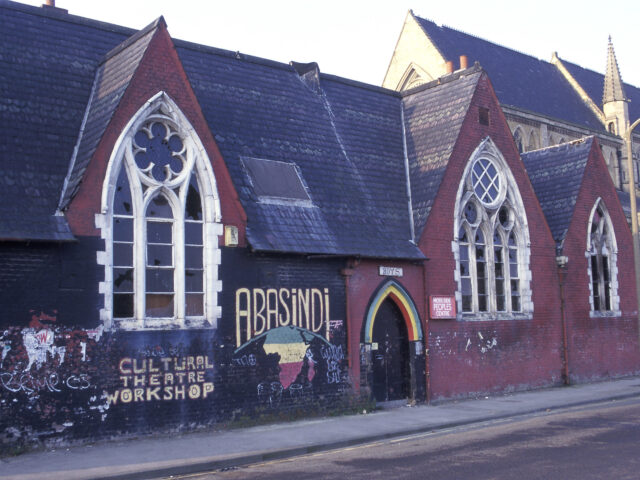
Locke became an adult education teacher and trainer and was deeply involved in Moss Side community politics. In 1973, she helped establish George Jackson House, a project supporting homeless children and young people in Manchester. In 1977, she and her sisters Ada Phillips and Coca Clarke, along with Olive Morris (who had co-founded the first Black Women’s Cooperative in London) helped found the Manchester Black Women’s Co-operative, which supported Black women, especially mothers returning to work, through office-skills training, and other practical support. In 1980, she co-founded Abasindi, a Black women’s organisation based at the Moss Side People’s Centre, which became an important educational, cultural incubator, local advocacy centre for African and African-Caribbean communities.
A major part of Locke’s legacy was her commitment to Black history and inclusive education. She campaigned against racist educational stereotypes and successfully pushed for Manchester to commemorate the 1945 Pan-African Congress with a public plaque, helping preserve the city’s role in anti-colonial and Pan-African movements.
The Kath Locke Centre is named in recognition of her contribution to the area. It continues her values through self-help groups, community activities, health and wellbeing services, volunteering, meeting spaces and support groups. It also houses the Kath Locke Heritage Exhibition, which tells the story of Moss Side and Hulme through photographs, documents, memories, and audio-visual material.
Overall, the centre brings together themes of Black women’s leadership, education, activism, cultural pride, health, wellbeing, resilience and collective action.