The importance of the ‘Ducie Mansions’ and Denmark Road are pivotal to the history of Manchester’s African and Caribbean communities. Denmark Road became an early centre for Black residents in Manchester and later developed into a key shopping area for African and Caribbean food and goods. Ducie Mansions, as the area was then known, provided accommodation for many new arrivals from Africa and the Caribbean, particularly students and for members of the Windrush generation from 1948 onwards.
At a time when racial discrimination made housing difficult to secure, the large properties around Denmark Road offered a practical refuge. They had many rooms and could house several newcomers, helping people settle in the city when other options were limited. The area therefore became more than a place to live: it developed into a social and cultural hub where residents could find familiar foods, services, information, employment contacts and community connections.
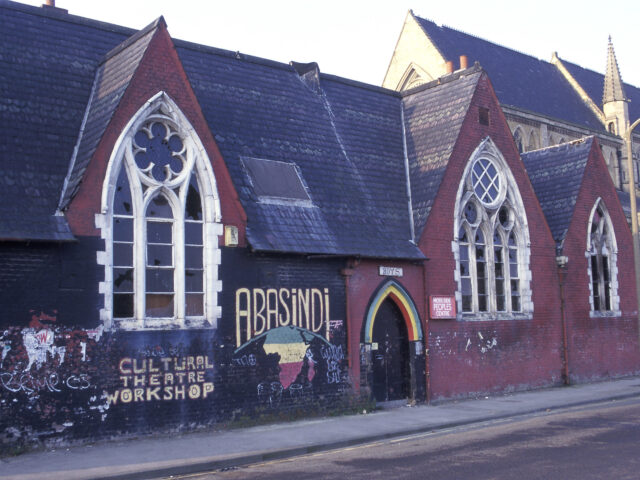
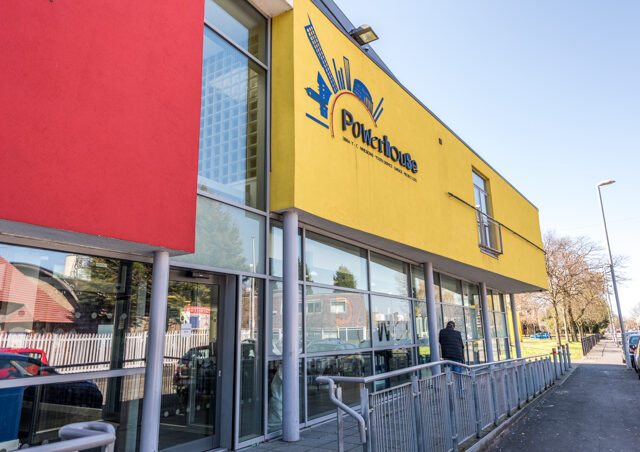
Ducie Mansions was central to the wider story of the Windrush generation, whose arrival transformed Manchester after the Second World War. Caribbean migrants helped rebuild the city through work in transport, hospitals, manufacturing, education and public services, while also creating organisations and support networks in response to racism and exclusion. These included the West Indian Sports and Social Club, the New International Society and Club, Abasindi, the Kath Locke Centre and the Millennium Powerhouse.
Here, in the Oxford Road area, was the beginnings of the cultural, political and social impact of African and Caribbean communities in Manchester. Their contributions shaped music, food, worship, carnival, community media, activism and campaigns for equality. Ducie Mansions is therefore presented as part of a larger legacy of migration, resilience, self-organisation and community-building. Its significance lies not only in providing housing, but in helping Black Mancunians establish roots, support one another and shape Manchester into a more diverse and multicultural city.