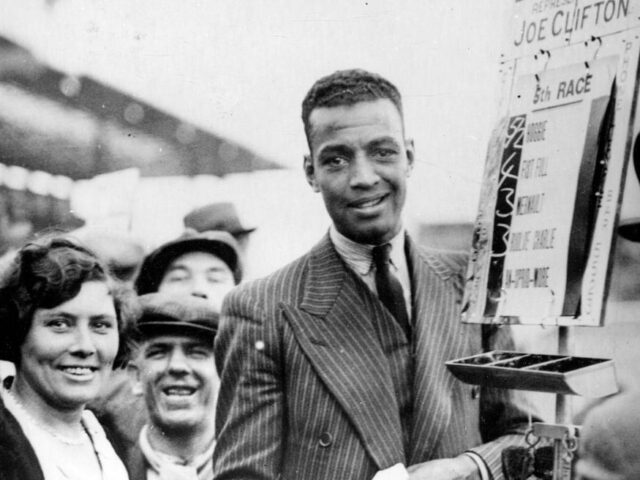
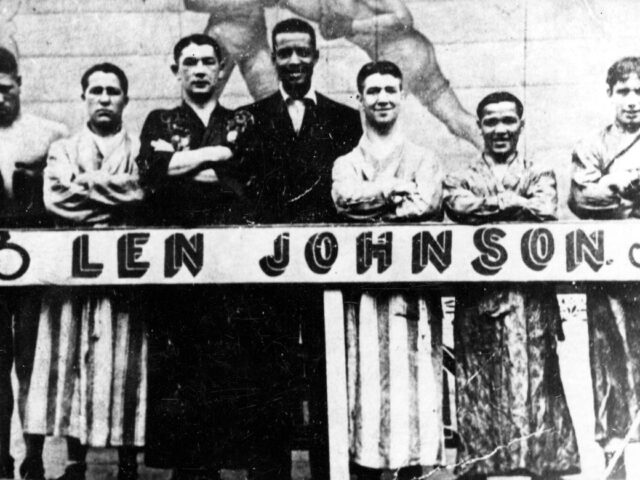
Leonard Benker Johnson, also known as Len Johnson, was born in Clayton, East Manchester, in 1902. His father, William Benker Johnson, was a merchant seaman from Sierra Leone who settled in Manchester, while his mother, Margaret Maher, was a Mancunian of Irish heritage. The family experienced racism, including hostility towards his parents’ interracial marriage.
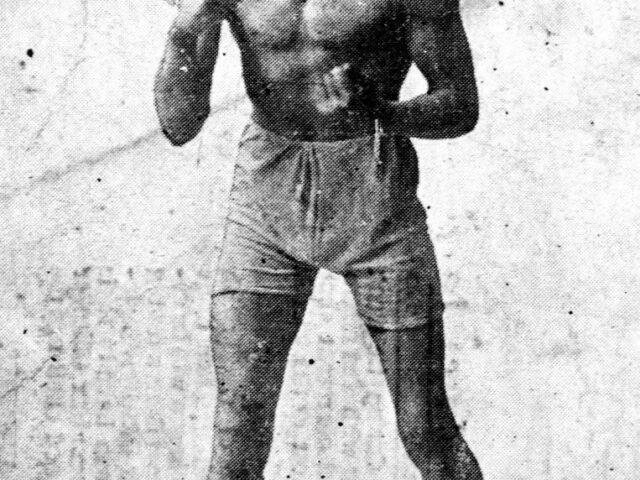
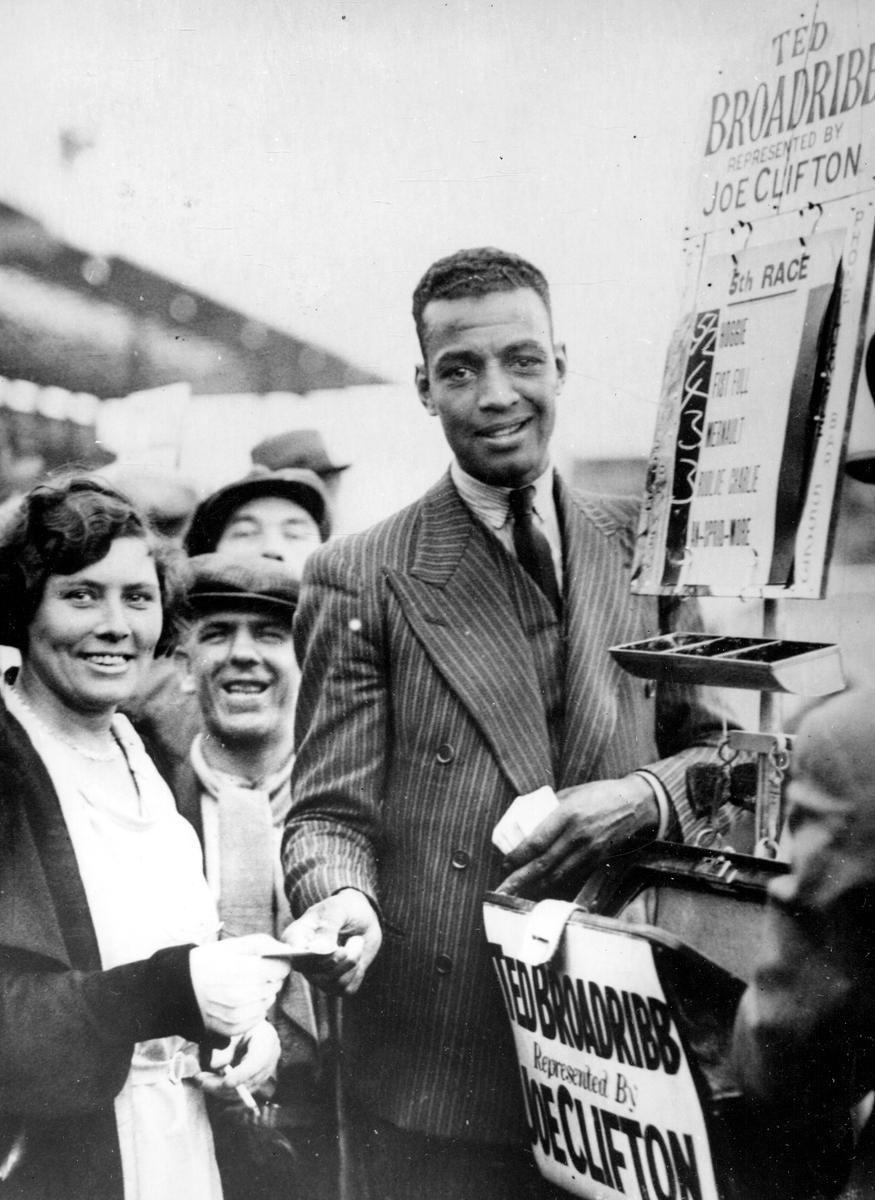
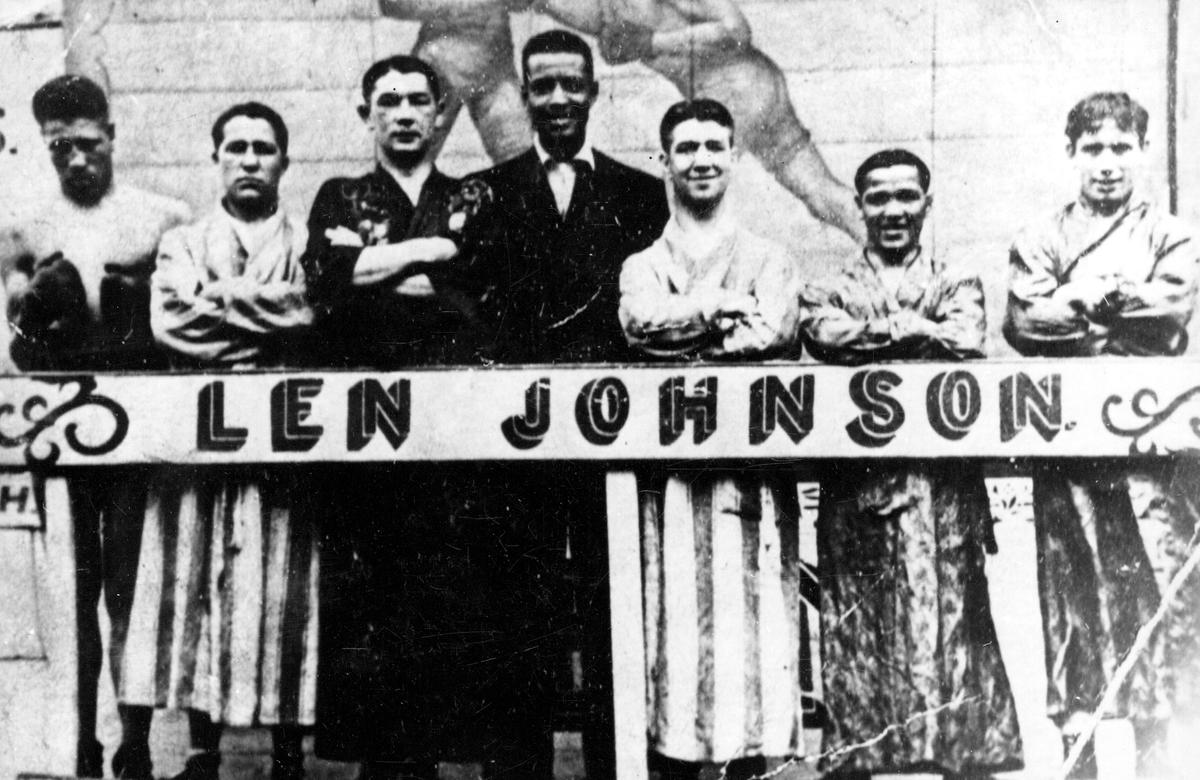
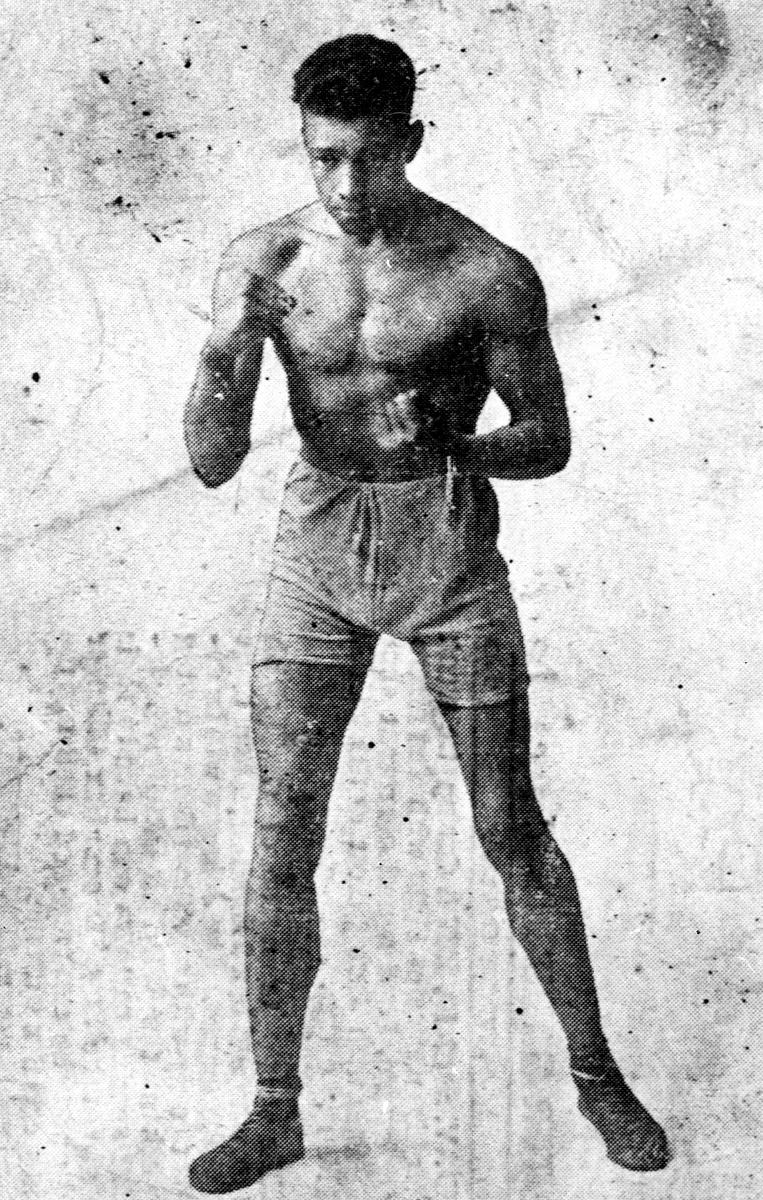
Trained by his father, Johnson learned to box in travelling boxing booths at fairgrounds around Britain. By 1920 he was fighting professionally as a middleweight and became known for his defensive skill, movement and ability to frustrate opponents.
His breakthrough came in 1925, when he twice defeated Roland Todd, the reigning British Middleweight Champion, in non-title contests. Despite proving he could beat the champion, Johnson could not challenge for the title himself. British boxing operated a formal colour bar that excluded Black and mixed-race fighters from British championship contests.
The rules required title contestants to have white parents. Johnson could compete, draw large crowds and defeat leading fighters, but his race prevented him from challenging for the British title. Across his career he recorded more than 90 wins and defeated some of the leading boxers of his generation.
In 1928, national newspapers described Johnson as Britain’s “uncrowned champion.” The phrase captured the contradiction at the heart of his career: he had proved himself against leading fighters but was denied the chance to win the British title.
By 1930, Johnson was openly frustrated by being excluded from major venues, lucrative fights and the championship contest he believed he had earned. He announced his retirement that year, although he continued to fight intermittently before finally leaving professional boxing in 1933.
The official boxing colour bar was repealed in 1947, long after Johnson’s best years in the ring. By then, his experiences of racism in boxing had become part of a wider political commitment.
Johnson met the American singer, actor and activist Paul Robeson in 1930 and later wrote that the meeting encouraged him to fight discrimination beyond the boxing ring. By the end of the Second World War, he had joined the Communist Party and was becoming increasingly active in Manchester politics.
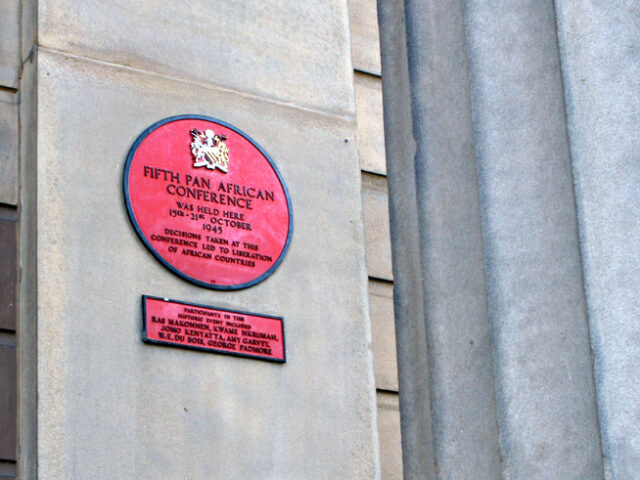
In October 1945, Len Johnson attended the Fifth Pan-African Congress in Manchester as a Communist Party observer. Held at Chorlton-on-Medlock Town Hall, the Congress brought together activists and future political leaders to discuss racism, colonial rule and self-determination.
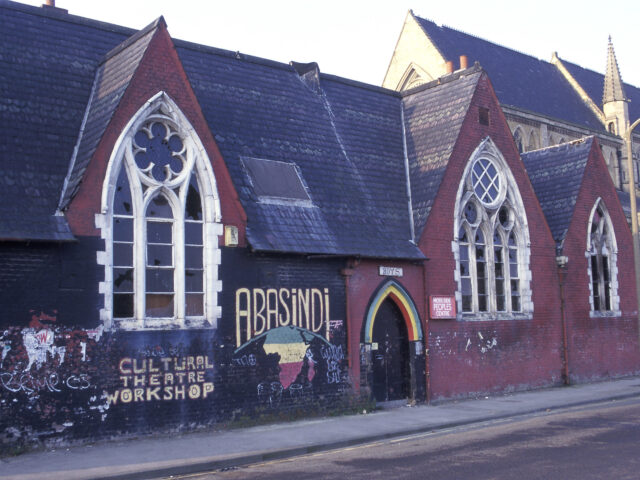
The following year, Len Johnson helped found the New International Society in Moss Side with fellow activists Wilf Charles and Syd Booth. The organisation campaigned against racial discrimination and supported peace, colonial liberation and international solidarity. Its club on Ducie Street was intended as a place where people from different backgrounds could meet and organise together.
Johnson also stood several times for Manchester City Council as a Communist Party candidate in Moss Side. His political work addressed the everyday discrimination experienced by Black Mancunians as well as wider struggles against racism and colonialism.
One of his best-known local campaigns began in 1953 at the Old Abbey Taphouse in the Greenheys area, between Hulme and Moss Side. Johnson was refused service because he was Black. He and his supporters responded by organising protests involving around 200 Black and white campaigners. Four nights later, the pub’s colour bar was withdrawn and Johnson was invited back.
This happened twelve years before the Race Relations Act 1965 made racial discrimination in public places unlawful. Johnson’s campaign showed how organised protest and solidarity could challenge discrimination before legal protections were in place.
Johnson died on 28 September 1974, aged 71. His life connects several strands of Manchester’s history: sport, migration, working-class politics, Pan-Africanism and organised resistance to racism. He was denied the chance to compete for the British title but went on to become part of a wider movement challenging discrimination across the city.
Today, the Len Johnson Campaign is working towards a permanent statue of him in Manchester city centre. A petition was launched in 2020, and the campaign gathered momentum during the wider public reckoning with racism that followed the murder of George Floyd. Sculptor Taslim Martin has since been commissioned to develop the statue, while campaigners continue fundraising and working with Manchester City Council over a suitable location.
For campaigners, the statue is about more than commemorating one boxer. It is also about giving greater visibility to Black Mancunian histories and ensuring that people whose contributions were overlooked in the past have a place in Manchester’s public memory.