Marcus Rashford was born in Manchester and grew up in South Manchester, including Wythenshawe, Withington and the Old Moat area. These local roots are central to the mural. It celebrates not only his football career, but also how his own experience of childhood food poverty shaped his campaigning.
During the Covid-19 pandemic, Rashford became a leading voice for children from low-income families. He called for them to continue receiving food during the school holidays. His campaign helped bring about a change in Government policy on free school meals and drew national attention to child hunger in the UK.
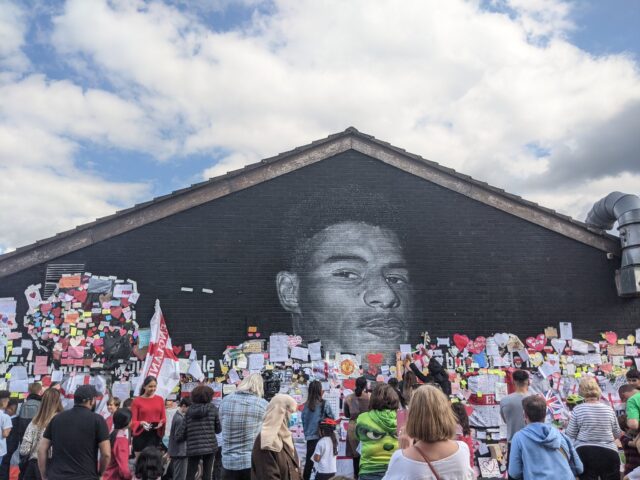
The community street-art project Withington Walls, crowdfunded and organised the mural in 2020. AkseP19 painted it from a photograph by Daniel Cheetham. Its location, close to Rashford’s childhood home, connects his national and international profile with the streets, schools and communities that shaped him.
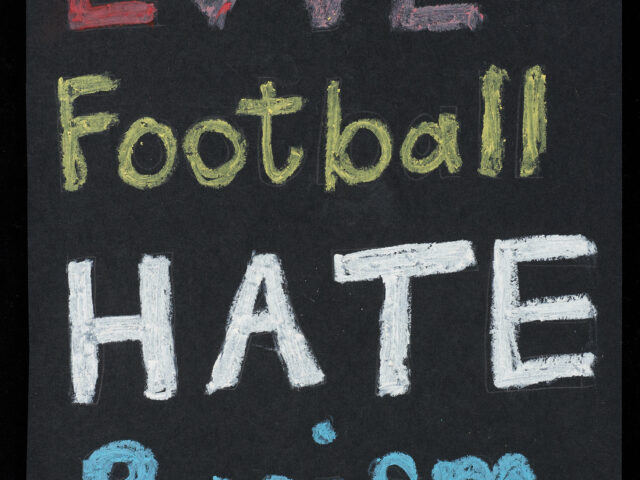
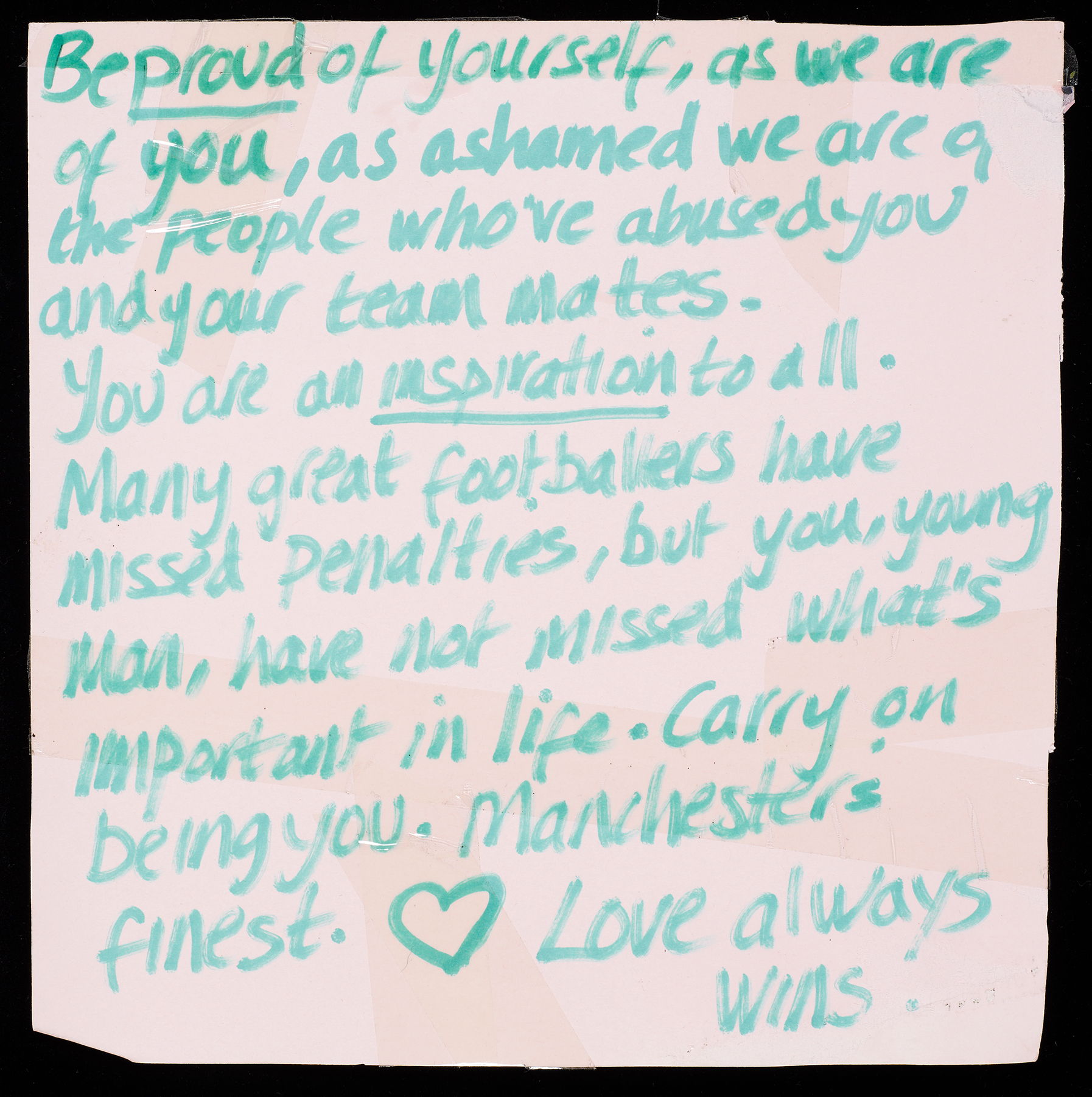
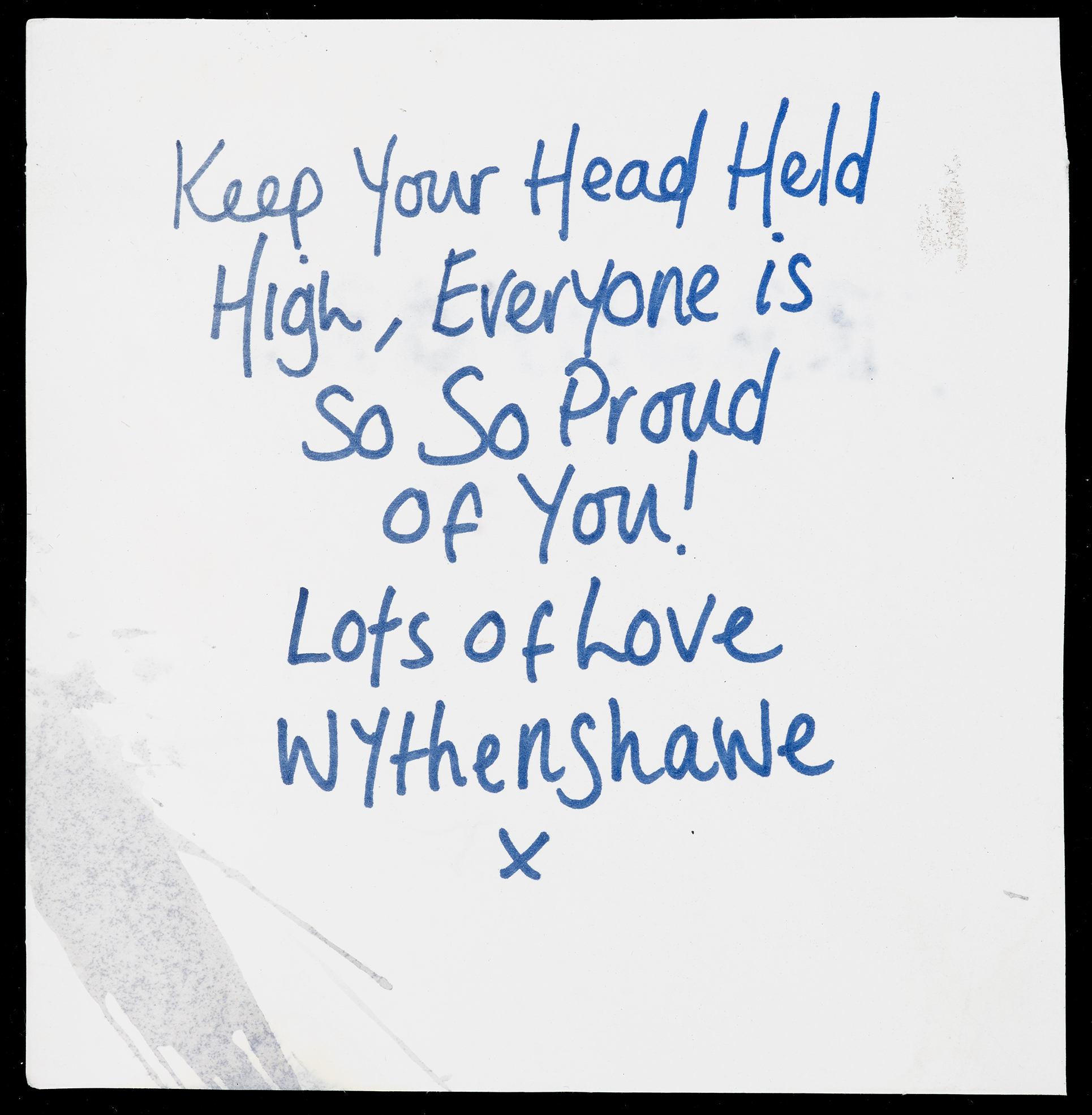
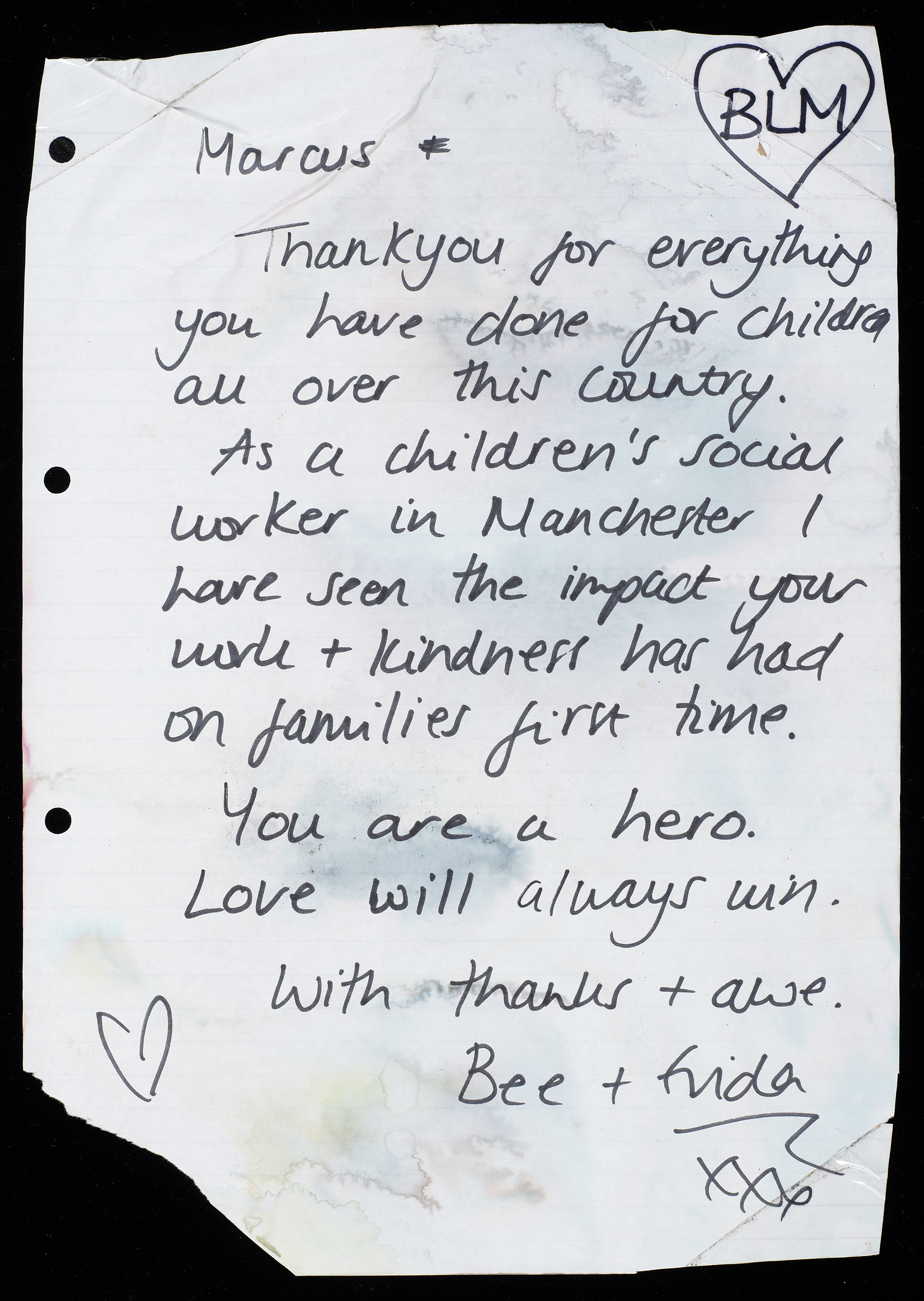
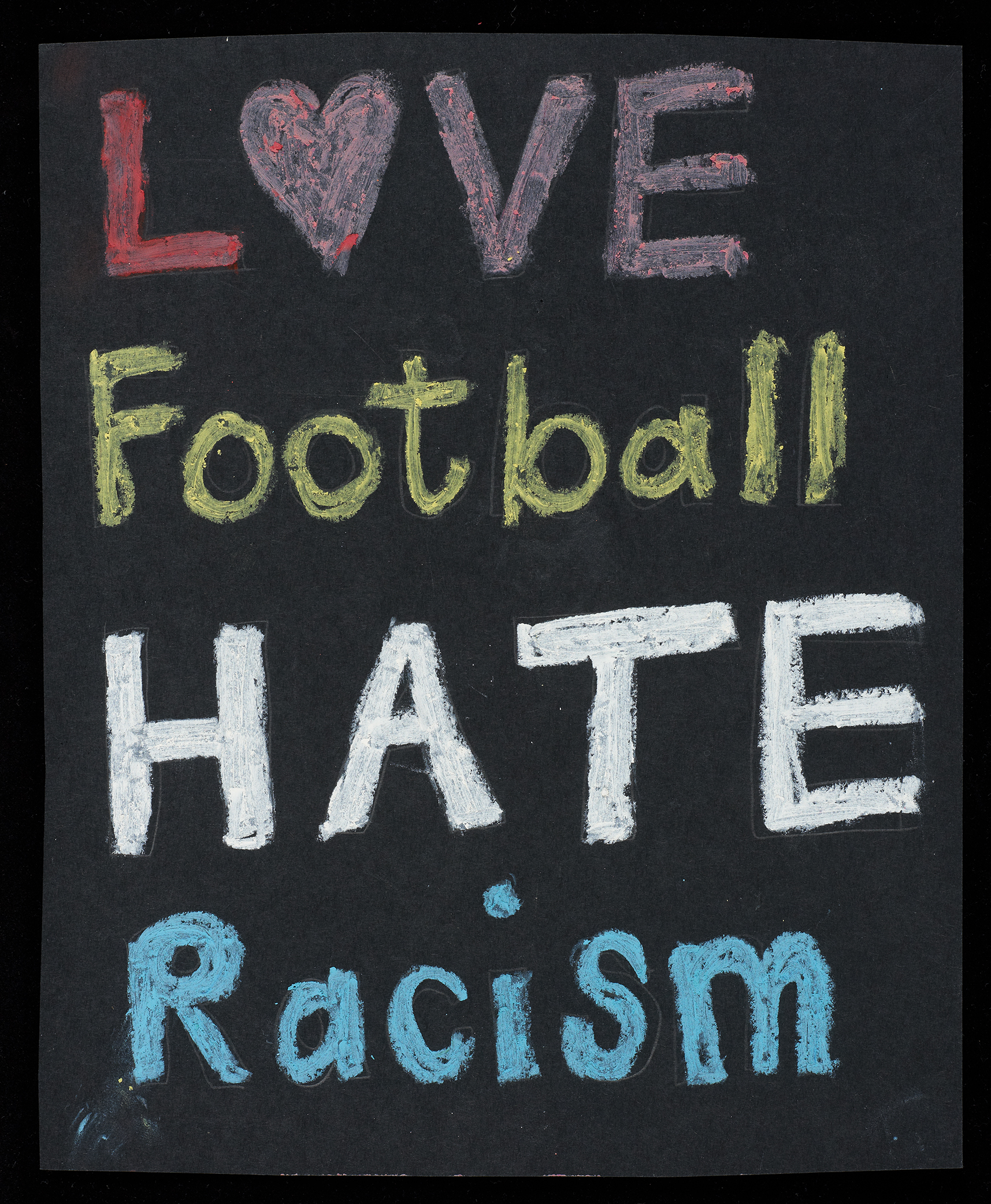
In 2021, after England lost the UEFA Euro final in a penalty shootout, Rashford and other Black England players faced racist abuse online. The mural was also defaced with offensive messages. Local people responded quickly. Once the vandalism had been covered, the wall filled with handwritten notes, flags, drawings, hearts, flowers and messages of support.
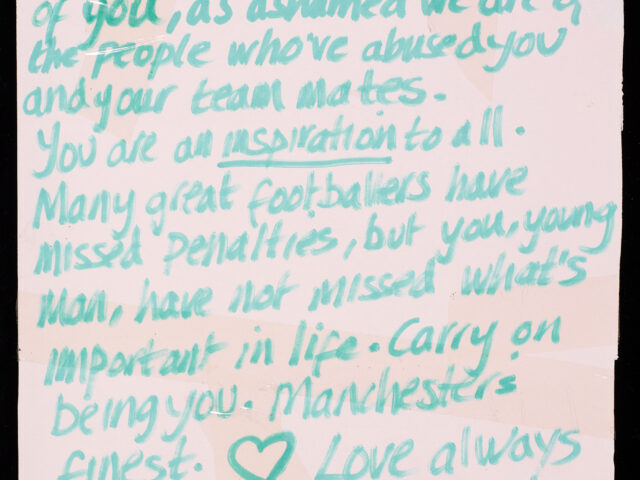
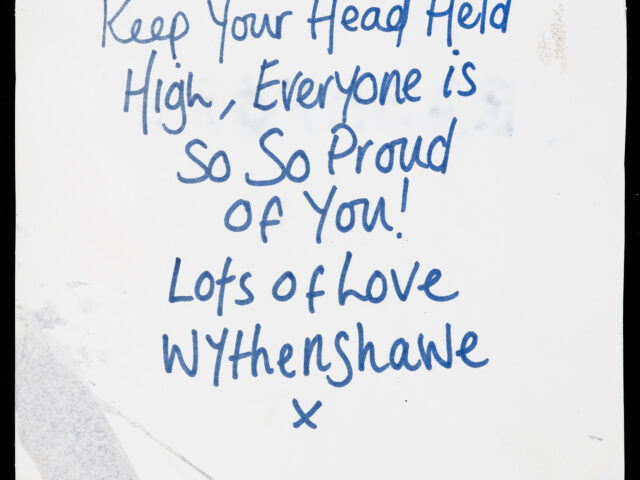
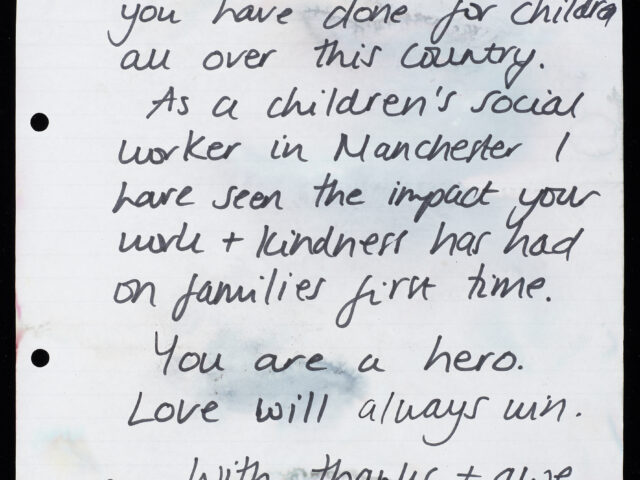
What began as a response to hate grew into thousands of tributes from Withington, Manchester and beyond. The community response turned the mural into a “Wall of Hope.” People gathered there to stand against racism and online hate. Their messages expressed care, pride, empathy and solidarity, reminding Rashford that he was valued as a person and as part of the community, not only as a footballer.
Manchester Libraries and Archives later preserved the tributes, with support from local cultural and heritage organisations. A temporary public response became a lasting archive of community feeling. The messages now record how people used words, art and collective action to challenge racism.
Manchester Libraries and Withington Walls also created a Wall of Hope digital resource. It presents 100 selected items from the Marcus Rashford Mural Tributes archive and explores community action, empathy and the power of people working together. Designed for schools and community groups, especially Key Stage 2 and Key Stage 3 pupils, it includes a film, interactive features, audio recordings with people from Withington and activity sheets for teachers. These materials help young people discuss racism, kindness, activism, community pride and responses to injustice.
The mural shows how public art can become a living archive. It began as a tribute to Rashford’s work on child food poverty, then became a record of anti-racist solidarity. Through both its painted portrait and the voices gathered around it, the wall connects sport, activism, place and community memory. It shows how a footballer from South Manchester helped bring about national change, and how a local community answered hate with care.